






Which California Labor Laws Have the Greatest Impact on Los Angeles Employers?


California labor laws shape how employers hire staff, set pay, manage leave, and handle workplace complaints. Los Angeles employers must follow state rules and local laws that affect daily business decisions. A missed deadline or an unclear policy can lead to costly claims and legal disputes.
At Employer Advocates Group Law Firm, we guide employers through these rules with clear legal advice. An employer attorney in Los Angeles, CA, offers valuable guidance on wage rules, employee rights, workplace policies, and legal risks. Understanding the laws below helps employers make sound choices and build a fair workplace.
1. California Minimum Wage and Overtime Laws
California has strict rules for employee pay. Employers must track work hours, pay the right wage, and follow overtime rules. The state minimum wage rose to $16.90 per hour on January 1, 2026. Some cities and industries have higher wage rates, so Los Angeles employers must check the rules for their workers.
Key Wage and Overtime Rules
- Overtime pay: Most nonexempt workers earn 1.5 times their regular rate after eight hours in a workday or 40 hours in a workweek. Double time applies in certain cases.
- Meal breaks: Employers must provide a 30-minute meal break when an employee works more than five hours. A second meal break applies to shifts longer than ten hours, subject to legal exceptions.
- Rest breaks: Most nonexempt workers receive a paid 10-minute rest break for every four hours worked or major fraction of that time.
- Accurate records: Employers must keep clear records of hours, pay rates, and wages.
A Los Angeles, CA labor law attorney for employers reviews pay practices and time records to spot gaps. Clear rules and proper payroll records also support a strong defense against wage claims.
2. California Fair Employment and Housing Act
The Fair Employment and Housing Act (FEHA) protects workers from discrimination, harassment, and retaliation. It applies to employers with five or more employees for most discrimination claims. Harassment rules cover employers of all sizes.
Protected traits include race, religion, sex, gender identity, sexual orientation, age, disability, national origin, and other traits listed in state law.
What Must Employers Do?
Employers should set clear rules against discrimination and harassment. They must also take reasonable steps to prevent these issues. California employers with five or more employees must provide sexual harassment prevention training to supervisors and nonsupervisory staff under state law.
When a worker raises a complaint, employers should review the facts, protect privacy as far as practical, and take suitable action. A Los Angeles, CA, employment attorneyreviews complaint procedures, training records, and workplace policies to support legal compliance.
3. California Family and Medical Leave Rules
Leave laws affect staffing, employee rights, and daily planning. California employers must understand the California Family Rights Act (CFRA), paid sick leave rules, and other leave rights that apply to their workforce.
The CFRA generally covers employers with five or more employees. Eligible workers may receive up to 12 weeks of unpaid, job-protected leave for certain family and medical reasons. Separate rules apply to pregnancy disability leave and other protected absences.
California also requires paid sick leave for eligible employees. Since January 1, 2024, the general state rule provides at least 40 hours or five days of paid sick leave each year, depending on the employee’s regular work schedule and applicable rules.
Employers should review leave requests with care, track eligibility, and keep accurate records. A Los Angeles, CA labor law attorney for employers explains how state and federal leave laws interact with company policies.
4. California Workplace Safety Requirements
The California Division of Occupational Safety and Health, known as Cal/OSHA, sets and enforces workplace safety standards. Employers must provide a safe work setting, train staff on job hazards, and follow rules for reporting workplace injuries.
Most California employers must maintain a written Injury and Illness Prevention Program (IIPP). The program should identify workplace hazards, explain how staff report risks, and set steps for correcting unsafe conditions.
Employers should also keep required safety records and report serious workplace injuries or illnesses within the deadlines set by law. An employer attorney in Los Angeles, CA, reviews safety policies and recordkeeping practices when legal questions arise after an incident.
5. California Labor Code and Employee Classification
Employee classification affects wages, overtime, benefits, and tax duties. California uses strict tests to decide whether a worker qualifies as an employee or an independent contractor.
Under the ABC test, a hiring business generally must meet three conditions to classify a worker as an independent contractor, unless a legal exception applies. The rules examine the business’s control over the work, whether the work falls outside its usual business, and whether the worker operates an independent trade or business.
Employers should review contractor agreements against actual work practices. A contract label alone does not decide a worker’s legal status. Misclassification can lead to unpaid wages, penalties, and other claims.
A Los Angeles, CA labor law attorney for employers reviews worker roles and relevant legal exceptions before classification decisions create larger problems.
6. California Paid Sick Leave and Local Los Angeles Rules
Los Angeles employers must review both state and local labor rules. The city has its own minimum wage and paid sick leave requirements. Some workers also fall under county rules or special industry standards.
The Los Angeles minimum wage follows a city-set rate, which may differ from the state rate. Employers should check the current city rate and any industry-specific rules that apply to their workforce.
Local paid sick leave rules also affect how employers set accrual methods, track balances, and inform workers of their rights. Employers should check current city requirements before updating handbooks or payroll systems.
An employer attorney in Los Angeles, CA, reviews local rules alongside state law. This step supports accurate pay practices and clear workplace policies.
7. California Retaliation and Whistleblower Protection
California law protects employees who report certain legal violations, raise workplace concerns, or take part in protected activities. Employers must avoid punishing workers for using their legal rights.
Retaliation claims may involve reduced hours, unfair discipline, demotion, or termination after a protected complaint. Employers should record the business reasons for major job decisions and apply policies in a fair way.
When a complaint arises, managers should follow a clear review process. A Los Angeles, CA labor law attorney for employers examines the facts, records, and timing of employment decisions to assess legal exposure.
Protect Your Business with Clear Legal Guidance
California labor laws shape daily decisions, from payroll and leave to workplace safety and employee discipline. Employer Advocates Group Law Firm provides employers with clear answers and sound strategies. Contact our team to review your workplace policies, address labor law concerns, and plan your next steps with confidence.
FAQs
1. Which California labor law creates the most risk for employers?
Wage and hour laws create major risks through unpaid overtime, missed meal breaks, and payroll errors. Employers should review time records, pay rates, and break practices to find and correct gaps.
2. Do Los Angeles employers need to follow city and state labor laws?
Yes. Employers must follow applicable state, city, county, and federal rules. When two laws cover the same issue, employers should check which rule gives workers the greater protection or sets the higher standard.
3. How often should employers review their workplace policies?
Employers should review policies at least once a year and after major legal changes. They should also update policies after workplace complaints, changes in staffing, or shifts in business operations.
4. What should an employer do after receiving a workplace complaint?
The employer should record the complaint, review the facts, protect the worker from retaliation, and take suitable action. Legal guidance helps the employer follow the right process and keep clear records.
5. When should Los Angeles employers seek legal advice?
Employers should seek legal advice before major policy changes, worker classification decisions, disciplinary action, layoffs, or responses to legal claims. Early advice supports sound decisions and reduces the risk of costly disputes.
Our Offices

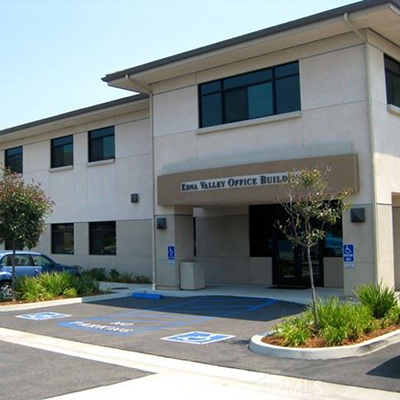
San Luis Obispo, CA 93401

Contact EAG
Orange County: (949) 277-0303
San Luis Obispo: (805) 782-9900