






What Mistakes Should California Employers Avoid When Facing an Employment Law Claim?



An employment law claim puts a company’s records, workplace rules, and leadership decisions under close review. A complaint about unpaid wages, discrimination, harassment, or wrongful termination requires a clear, careful response. One rushed decision or missing record increases risk and puts the employer’s position under pressure.
At Employer Advocates Group Law Firm, we help California employers understand their legal duties and build a sound defense. Early action, clear records, and fair treatment give employers a stronger base when a claim arises. An employment litigation defense attorney in California also guides employers through legal deadlines, evidence review, and case strategy.
1. Ignoring the Claim or Waiting Too Long to Respond
A formal claim needs prompt attention. Employers who delay their response risk missing filing deadlines, losing key records, or letting the other side shape the story. A quick response gives the company time to review the facts and plan its next steps.
Start by carefully reading the complaint or legal notice. Identify the claims, dates, people involved, and requested action. Then assign a clear point of contact to manage the matter and keep records in one place.
Employers should also check whether the claim involves a response deadline from a court, agency, or other legal body. Each process follows its own rules. An employer defense attorney in California reviews the notice, explains the duties that apply, and sets a response plan based on the case.
2. Deleting or Changing Important Records
Workplace records often play a key role in an employment claim. Emails, text messages, time sheets, payroll reports, job reviews, and company policies may show what happened and when. Missing records create gaps in the facts and make it harder to explain the company’s actions.
Once a claim arises or legal action seems likely, employers should protect relevant records. This includes paper files, digital messages, shared drives, and data held by outside service providers.
Which Records Should Employers Protect?
The records depend on the claim, but useful items include:
- Hiring records: Job ads, applications, interview notes, and offer letters.
- Payroll records: Pay stubs, time sheets, overtime records, and wage statements.
- Workplace messages: Emails, texts, chat messages, and notices about the issue.
- Employee records: Reviews, warnings, complaints, and records of past action.
- Company rules: Handbooks, signed policy forms, and training records.
Employers should pause routine deletion of relevant data and tell staff who hold key records to preserve them. A legal hold clearly instructs what to keep and who must follow it.
Our employment litigation defense attorney team in California reviews the available evidence and advises employers on record protection, legal duties, and the best way to organize the facts.
3. Making Decisions Before Checking the Facts
A complaint from an employee deserves a fair review. Quick judgments about who is right can lead to poor decisions and weaken the employer’s position. A sound review starts with facts, not guesses or personal views.
Employers should identify the people involved, review the records, and compare each account with the available evidence. If the claim involves workplace conduct, the review should cover relevant messages, policy rules, past reports, and actions taken by managers.
How Should Employers Review a Workplace Complaint?
A clear review follows a set process:
- Set the scope: Identify the claims and the key events under review.
- Gather records: Collect messages, reports, time records, and related documents.
- Speak with people involved: Ask clear questions and record each person’s account.
- Compare the facts: Check each account against the records and company rules.
- Record the findings: Keep a clear report of the steps taken and the facts found.
The reviewer should remain fair and keep private details within the proper group. Depending on the claim, an outside investigator or legal counsel may be the right choice.
An employer defense attorney in California helps employers assess the facts, spot legal risks, and plan a response based on the evidence rather than assumptions.
4. Treating the Employee Differently After a Complaint
Retaliation is a key risk in employment claims. California law protects workers who take part in certain protected activities, such as reporting suspected discrimination or harassment, raising wage concerns, or taking part in an investigation.
A change in shifts, duties, pay, work location, or job status after a complaint may draw close review. Even when a manager has a valid business reason, poor records or unclear timing raise questions about the decision.
Employers should keep workplace decisions fair and based on clear business reasons. Managers should avoid threats, unfair treatment, or comments that suggest punishment for raising a concern.
If a change in work duties or status is needed, record the reason and the facts behind it. Review the decision under company policy and seek legal advice when the timing creates concern.
Our employment litigation defense attorney team in California advises employers on retaliation risks and the steps needed to support lawful workplace decisions.
5. Overlooking California’s Employment Laws
California has detailed rules for wages, breaks, leave, workplace safety, discrimination, harassment, and employee records. A defense plan needs to account for the laws that apply to the claim, the employee’s role, and the events in question.
For example, a wage claim requires close review of hours worked, pay rates, meal and rest periods, overtime, and wage statements. A discrimination claim calls for a different review of workplace decisions, protected traits, company policies, and the evidence behind the employer’s actions.
Employers should avoid relying on rules from another state or old policy forms without checking current California law. A policy that once worked for the company may no longer meet legal requirements.
An employer defense attorney in California reviews the legal issues tied to the claim and explains how state rules apply. This guidance helps employers understand their duties and prepare a response that fits the facts.
6. Letting Managers Speak or Act Without Clear Guidance
Managers often hold key facts about an employment dispute. They may have sent messages, made staffing decisions, or spoken with the employee before the claim began. Their words and actions may become part of the case.
Employers should give managers clear instructions about handling questions, sharing records, and speaking with outside parties. Staff should not guess about legal matters or make promises about the case.
Managers should also avoid discussing private case details with coworkers who have no role in the matter. A clear process limits confusion and keeps the review on track.
Our employment litigation defense attorney team in California helps employers prepare for key conversations, understand legal duties, and keep case communications clear.
7. Giving Incomplete or Conflicting Statements
A company’s response needs to match the available facts. Conflicting statements from managers, HR staff, and company records raise questions about the accuracy of the defense. Employers should review the evidence before making formal claims about what happened.
Build a clear timeline of the key events. Check dates, messages, policy forms, and payroll records. If a fact remains unclear, mark it for further review rather than treating an assumption as a fact.
Employers should also avoid making broad claims about an employee’s conduct without proof. A clear, fact-based response gives the company a sound way to explain its decisions.
An employer defense attorney in California reviews draft responses and helps keep the company’s position clear, accurate, and consistent with the evidence.
8. Waiting Too Long to Get Legal Advice
Employment claims involve legal rules, evidence, deadlines, and choices about how to respond. A delay in getting advice leaves less time to review the facts and prepare a strong case plan.
Employers should seek legal counsel as soon as they receive a serious complaint, agency notice, demand letter, or court filing. Early advice helps the company protect records, assess its legal duties, and avoid rushed choices.
At Employer Advocates Group Law Firm, we represent employers facing workplace disputes and guide them through each stage of the defense. Our team reviews claims, explains the risks, and builds a plan based on the facts and the law.
Protect Your Business with Employer Advocates Group Law Firm
An employment law claim requires clear thinking, careful recordkeeping, and a sound legal plan. Employer Advocates Group Law Firm represents California employers and helps them face workplace disputes with a clear view of their rights and duties. Contact our firm today to discuss your claim, review your options, and confidently plan your next steps.
Frequently Asked Questions
1. What should a California employer do after receiving an employment law claim?
Read the claim, note all response deadlines, protect relevant records, and limit case discussions to the right people. Contact an employment defense lawyer early to review the claims and plan the next steps.
2. Can an employer discipline an employee who filed a complaint?
An employer may take lawful action for a valid business reason, but protected activity must not drive the decision. Review the facts, follow company policy, and seek legal advice before taking action.
3. What records matter in an employment law claim?
Useful records include payroll reports, time sheets, emails, text messages, employee reviews, complaint reports, and company policies. Employers should protect relevant paper and digital files as soon as a claim arises or legal action seems likely.
4. Why does California employment law require special attention?
California has detailed rules on wages, breaks, leave, discrimination, harassment, and employee rights. Employers need to review the laws that apply to each claim and check current rules before setting their response plan.
5. When should an employer contact a defense attorney?
Contact a defense attorney after receiving a legal notice, agency complaint, demand letter, or serious workplace allegation. Early legal advice supports record protection, deadline tracking, evidence review, and a clear plan for the case.
Our Offices

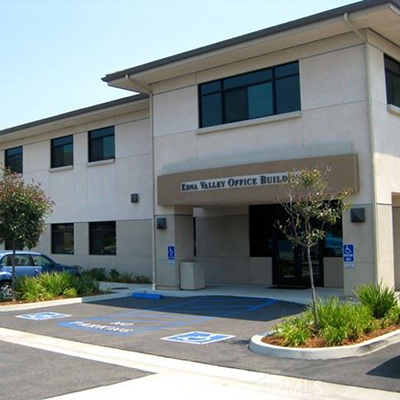
San Luis Obispo, CA 93401

Contact EAG
Orange County: (949) 277-0303
San Luis Obispo: (805) 782-9900