





What Evidence Helps California Employers Defend Against Workplace Legal Claims?


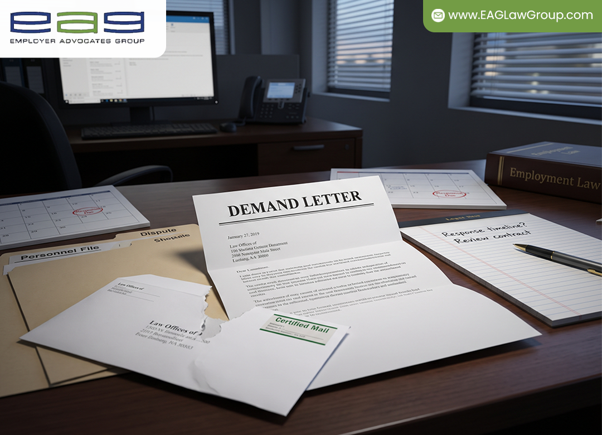
A workplace legal claim can put a company’s money, reputation, and daily work at risk. Clear records give employers a strong way to explain their decisions and show how they followed company rules and California law. Emails, time sheets, pay records, and witness statements all help tell the full story.
At Employer Advocates Group Law Firm, we help California employers build a strong defense by carefully reviewing the facts and the law. An employer defense attorney in California examines key records, checks the events behind a claim, and helps employers prepare a clear response. Strong evidence gives the legal team a solid base to assess claims and protect the employer’s rights.
Why Does Evidence Matter in Workplace Legal Claims?
Workplace claims may involve wrongful termination, discrimination, harassment, unpaid wages, missed breaks, or retaliation. Each type of claim raises different legal questions. The right evidence depends on what the employee alleges and which facts the employer needs to prove.
For example, a former employee may claim a manager treated them unfairly before termination. The employer’s defense may depend on job reviews, written warnings, company policies, and records of similar decisions involving other workers.
Evidence serves several key purposes:
- Shows what happened: Dated records help establish the order of events.
- Explains management decisions: Written reasons and supporting records show how the employer reached a decision.
- Checks claims against facts: Emails, schedules, and pay records help the legal team compare claims with actual events.
- Supports consistent treatment: Records of similar cases show how the company applied its rules.
- Prepares witnesses: Clear documents help managers and other witnesses recall key details.
An employment litigation defense attorney in California studies these records to find facts that support the employer’s position and identify issues that need further review.
Which Documents Help Employers Build a Strong Defense?
Business records give employers a clear way to show how workplace events unfolded. The most useful documents depend on the claim, but several types deserve close attention.
1. Employment Contracts and Company Policies
Offer letters, job agreements, employee handbooks, and signed policy forms show the terms of employment and the rules shared with staff. These records help explain workplace expectations, leave rules, complaint procedures, and disciplinary steps.
Employers should keep the versions of policies that applied during the period in question. A newer handbook does not prove which rules applied to an earlier event. Signed acknowledgments also help show when an employee received a policy.
Our employer defense attorney in California reviews these documents to check how the employer set expectations and applied its policies.
2. Performance Reviews and Disciplinary Records
Performance reviews, coaching notes, written warnings, and improvement plans help explain decisions about an employee’s work. These records are useful when a claim concerns termination, demotion, or unfair treatment.
Employers should record clear facts, such as missed targets, specific conduct, dates, and steps taken to address an issue. Notes should use fair language and describe actual events. Personal opinions and vague labels carry less weight than clear examples.
Records of earlier coaching also show whether the employer raised concerns before taking formal action. A consistent record gives the legal team a better view of the decision-making process.
3. Emails, Messages, and Other Digital Records
Workplace messages often show what managers and employees knew at a given time. Emails, chat messages, meeting notes, and work system records help establish the order of events and the reasons behind key decisions.
Employers should preserve relevant messages in their original form. They should not delete, edit, or recreate records after learning of a legal claim. The legal team also needs to check who sent each message, when it was sent, and how it relates to the claim.
An employment litigation defense attorney in California reviews digital records for useful facts, gaps, and messages that need a closer look.
What Evidence Supports Wage, Hour, and Retaliation Defenses?
Wage claims and retaliation cases require records that match the issues raised. Employers should gather documents from the systems used to manage work hours, pay, complaints, and workplace decisions.
Time Sheets and Payroll Records
Time records, pay statements, wage rates, overtime calculations, and meal and rest period records help explain how the company paid its staff. These documents matter in claims about unpaid wages, overtime, missed breaks, or incorrect pay.
Employers should compare time sheets with payroll records and work schedules. They should also check the pay periods named in the claim. A clear review helps identify whether the records match the hours worked and the wages paid.
Complaint Records and Investigation Files
A claim about harassment, discrimination, or retaliation often raises questions about how the employer responded to a report. Complaint forms, interview notes, investigation findings, and follow-up records help show the steps taken.
Employers should document who received the complaint, when the company learned of it, who reviewed the matter, and which actions followed. Investigation records should separate direct facts from personal views. The employer should also limit access to private records and follow its legal duties.
Our employer defense attorney in Californiareviews these materials to assess the company’s response and identify evidence that supports its position.
Records of Actions After a Complaint
Retaliation claims may arise when an employee reports a legal concern and later faces a change in duties, pay, schedule, or job status. Employers should preserve records showing the reason for each action.
These records may include earlier performance reviews, staffing plans, attendance records, and messages about business needs. The timing of a decision matters, but timing alone does not prove retaliation. The employer’s documented reasons and the facts behind them also matter.
How Do Witness Statements Strengthen an Employer’s Case?
People who saw or heard key events may provide useful evidence. Witnesses include supervisors, coworkers, human resources staff, and others who took part in a meeting or investigation.
A clear witness statement should explain:
- What the person saw or heard firsthand.
- When and where the event took place.
- Who took part in the event.
- Which documents or messages support the account.
- What the witness remembers clearly and what remains uncertain.
Employers should avoid coaching witnesses to give a set answer. Each person should share an honest account based on their own memory. The legal team should also compare witness accounts with written records to check dates and details.
An employment litigation defense attorney in California helps assess witness accounts, prepare for interviews, and plan how the evidence fits the legal issues in the case.
What Should Employers Do After Learning About a Legal Claim?
Quick and careful action protects important records and supports a sound defense. Once an employer expects a claim or receives notice of a lawsuit, it should take clear steps to preserve evidence.
- Issue a legal hold: Tell the right staff to preserve relevant paper files, emails, messages, and digital records.
- Pause routine deletion: Suspend automatic deletion of records that relate to the claim.
- Gather key documents: Collect policies, payroll records, reviews, messages, and investigation files linked to the issues.
- Keep records secure: Limit access to people who need the information for the legal matter.
- Build a timeline: List key events, dates, decisions, and the people involved.
- Seek legal advice: Ask counsel to assess the claim, identify missing evidence, and plan the next steps.
An employer defense attorney in California also reviews the employer’s legal duties, including rules for record retention, privacy, and disclosure. Early legal review helps the company protect records and prepare an informed response.
How Does Employer Advocates Group Law Firm Help Employers Prepare?
At Employer Advocates Group Law Firm, we examine the facts behind workplace claims and help employers build a clear legal strategy. We review company records, assess witness accounts, and check whether the available evidence supports the employer’s decisions.
Our team also looks for missing documents, unclear timelines, and differences between written policies and actual practice. We explain the legal issues in plain language so employers understand their options and the next steps.
With guidance from an employment litigation defense attorney in California, employers gain a clearer view of the evidence, the risks in the claim, and the records needed to support their defense.
Protect Your Business with a Clear Legal Strategy
A strong defense starts with sound records, clear facts, and timely action. Employer Advocates Group Law Firm works with California employers to assess workplace claims, review key evidence, and plan a defense based on the law and the facts. Contact our firm today to discuss your legal concerns and take the next step toward protecting your business.
Frequently Asked Questions
1. What evidence is most useful in a wrongful termination claim?
Performance reviews, written warnings, employment policies, emails, and records of the termination decision often matter. These documents help explain the employer’s stated reasons and show how the company handled the employee’s work before termination.
2. How long should California employers keep employment records?
Retention periods vary by record type and the law that applies. Employers should follow California and federal rules, review any active legal hold, and seek legal advice before destroying records linked to a possible claim.
3. Do employers need to preserve emails after receiving a legal claim?
Yes. Employers should preserve relevant emails, messages, and other records once they reasonably expect a legal claim. A legal hold should pause routine deletion and explain which people, systems, and documents need protection.
4. How do witness statements support workplace legal defenses?
Witness statements describe what people saw or heard during key events. When employers compare these accounts with emails, meeting notes, and other records, they gain a clearer view of the facts behind the claim.
5. When should an employer contact a workplace defense lawyer?
Employers should contact a lawyer after receiving a legal notice, agency complaint, or formal workplace allegation. Early advice helps protect records, review the facts, meet deadlines, and plan a response based on California law.
Our Offices

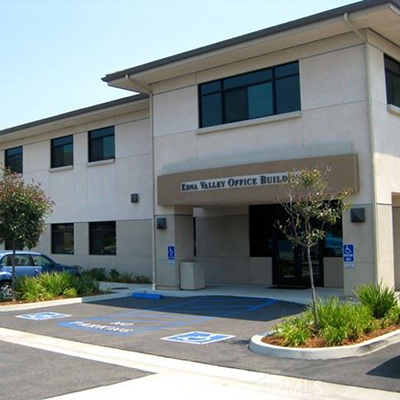
San Luis Obispo, CA 93401

Contact EAG
Orange County: (949) 277-0303
San Luis Obispo: (805) 782-9900