





California Whistleblower Claims: What Employers Need to Know in 2026


California employers need clear rules for handling workplace complaints. Employees who report possible law violations have legal protections under state and federal law. A good complaint process helps a business respond in an organized and fair way.
In 2026, employers should understand California whistleblower law and how it relates to workplace reports, internal complaints, investigations, and employment decisions. Clear policies, good records, and proper manager training give employers a strong starting point.
What Is a Whistleblower Claim in California?
A whistleblower claim may arise when an employee reports conduct they reasonably believe breaks a law or rule. California law protects employees in certain situations when they make such reports.
California Labor Code Section 1102.5 is an important state law for whistleblower matters. It protects certain employees who report suspected legal violations to government agencies, law enforcement, supervisors, managers, or other proper parties.
Employers should understand these basic points:
- An employee does not need to prove a violation before making a report.
- A report may be made inside or outside the company, depending on the situation.
- Employment decisions made after a report need careful review.
- Good records help explain why an employer made a workplace decision.
- Managers should know where to send employee complaints.
A written reporting policy should give employees a clear way to raise workplace concerns.
Which Workplace Issues May Lead to a Whistleblower Claim?
Employers make workplace decisions every day. These decisions include hiring, pay, scheduling, discipline, promotion, performance reviews, and termination. Use extra care when an employee has recently reported a possible legal or safety issue.
The employer should review the reason for any employment decision and keep records supporting the decision. Managers should follow the same company rules used in similar workplace situations.
Reports may involve concerns about:
- Wage and hour rules
- Workplace safety
- Fraud
- False business records
- Environmental rules
- Licensing rules
- Healthcare requirements
- Government reports
- Other possible law violations
Each complaint should reach the person responsible for handling workplace concerns.
How Should Employers Handle a Whistleblower Report?
A calm and clear process helps employers manage a complaint. Managers should listen carefully and avoid promising a result before the facts are known.
A basic process may include these steps:
1. Receive the Complaint Carefully
The manager or HR worker should listen to the employee and write down the basic facts. Personal opinions should not shape the first response.
2. Save Important Records
The employer should identify records related to the complaint. These may include emails, messages, time records, reports, policies, and personnel documents.
3. Review the Facts
The company should learn what happened, who was involved, and which company rules or laws relate to the issue.
4. Keep Information Limited
Complaint details should be shared only with people who need the information to handle the matter. This helps keep the process organized.
5. Record Employment Decisions
If the employee later receives discipline or another employment action, the company should keep records showing the reason for the decision.
A clear process helps the employer move from the first report to the next proper step.
What Should Employers Know About Retaliation?
Retaliation is an important issue in whistleblower cases. An employee may claim retaliation if an employer takes an adverse action after the employee reports a possible legal violation. The timing of events may become important. Employers should therefore avoid rushed decisions after receiving a complaint.
A complaint should not become a reason to punish, isolate, or pressure an employee. Instead, the employer should follow its normal process and record the facts behind each decision.
Employers should speak with an employment litigation defense attorney in California when a complaint involves serious legal issues or a possible workplace claim. Legal advice may be useful before making major employment decisions involving an employee who has made a protected report.
How Can Employers Build a Strong Whistleblower Process?
A good process starts before a complaint arrives. Employees should know how to raise concerns, and managers should know what to do after receiving one.
Employers should consider the following steps:
- Create a written complaint policy.
- Give employees clear ways to report concerns.
- Train managers on complaint handling.
- Set simple rules for workplace investigations.
- Keep employment records in an organized manner.
- Apply workplace rules in a consistent way.
- Review major employment decisions involving active complaints.
- Protect private employee information as required.
- Train HR workers on retaliation rules.
- Review workplace policies when laws change.
Manager training is especially useful. Supervisors are often the first people to hear employee concerns.
Why Should Employers Review Their Policies in 2026?
California employment rules continue to change. Employers should review workplace policies to make sure they match current state and federal rules. A policy should do more than appear in an employee handbook. Managers should understand how to use it during real workplace situations.
For example, a company may have a complaint policy but fail to train supervisors on what to do after receiving a report. A policy works best when employees and managers understand the process.
California whistleblower law should be part of a wider workplace law review. Employers should check their reporting channels, investigation process, recordkeeping, and manager training.
How Should Employers Respond to a Formal Whistleblower Claim?
A formal claim needs careful handling. Employers should save relevant records and avoid changing or deleting documents connected with the matter. The company should review the timeline, identify people involved, collect important records, and understand the complaint.
An employment litigation defense attorney in California may review employment records, workplace policies, emails, messages, and the reasons behind an employment decision. Legal counsel can then guide the employer on the next steps.
Employers should keep workplace discussions focused and share legal information only with people who need it.
What Common Mistakes Should Employers Avoid?
Simple workplace practices can support a better complaint process:
Ignoring a Complaint
Every workplace concern should reach the right person. A complaint should not be dismissed before the facts are reviewed.
Making a Quick Employment Decision
An employment decision made soon after a complaint needs careful review. The employer should have clear records showing the business reason for the decision.
Keeping Poor Records
Good records help explain what happened. Employers should keep relevant emails, documents, reports, and notes in a proper manner.
Treating Similar Cases Differently
Similar workplace situations should receive a consistent review under company policies and applicable law.
Leaving Managers Untrained
Supervisors need basic training on how to receive employee complaints and where to send them.
Using Unclear Reporting Rules
Employees should know who they can contact and how they can raise a workplace concern.
How Can Employer Advocates Group Law Firm Help Employers?
Employer Advocates Group Law Firm focuses on employment law matters for employers. The firm helps businesses understand workplace rules, handle employment disputes, and make informed decisions.
A whistleblower complaint needs more than a quick response. Employers need to review the facts, records, company policies, and legal issues before deciding how to proceed. An employment litigation defense attorney in California can provide legal guidance when a workplace complaint becomes a formal claim or dispute.
Employer Advocates Group Law Firm works with employers to address employment law concerns with practical guidance based on the facts of each matter.
Build a Clear Plan for Workplace Complaints
Whistleblower matters need careful handling from the first report through the final workplace decision. Employers should create clear reporting rules, train managers, keep proper records, and review major employment actions with care.
Employer Advocates Group Law Firm works with California employers on employment law matters and workplace disputes. When a whistleblower concern reaches your business, practical legal guidance can help you understand the issue and plan the next step.
Frequently Asked Questions
1. What is California whistleblower law?
California whistleblower law protects certain employees who report suspected violations of laws or rules. Employers should understand the rules covering protected reports, retaliation, internal complaints, investigations, and employment decisions after a report.
2. Can an employer investigate a whistleblower complaint?
Yes. An employer may review a workplace complaint and gather facts. The process should include relevant documents, employee interviews, company policies, and other information needed to understand the issue.
3. What should an employer do after receiving a whistleblower report?
An employer should record the complaint, save related records, notify the proper person, and review the facts. Managers should avoid personal opinions and follow the company’s complaint process.
4. When should an employer contact an employment attorney?
Employers should consider legal advice when a complaint involves suspected legal violations, a government agency, a serious workplace dispute, or a possible retaliation claim. Early legal review helps guide the employer’s response.
5. Why is documentation important in whistleblower matters?
Good records give employers a clear history of workplace events and decisions. Documents should show relevant facts, explain business decisions, and preserve important communications related to the employee’s complaint.
Our Offices

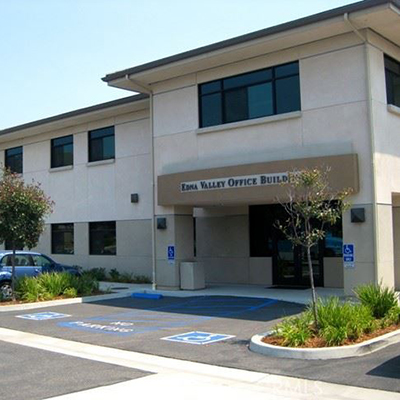
San Luis Obispo, CA 93401

Contact EAG
Orange County: (949) 277-0303
San Luis Obispo: (805) 782-9900