





California Employment Laws Explained: What Every Employer Needs to Know



Running a business in California means following rules that protect workers and guide workplace decisions. Employers must follow federal laws, state laws, and local rules that apply to their business. These rules cover pay, work hours, hiring, discrimination, leave, safety, and employee records. A clear plan helps employers follow the law and handle workplace issues with care.
At Employer Advocates Group Law Firm, we help employers understand their legal duties and manage workplace concerns. Working with an employment law attorney in California helps business owners review company policies, understand legal rules, and make sound choices for their employees and business.
How Do Federal and California Employment Laws Work Together?
Federal laws set rules for workplaces across the country. California has its own laws, which give workers extra rights in several areas. Employers must follow all rules that apply to their business and staff. When state and federal laws cover the same issue, employers generally must follow the rule that gives workers greater protection, when the law requires it.
Some key federal laws include:
- Fair Labor Standards Act (FLSA): Sets federal rules for minimum wage, overtime pay, and child labor.
- Title VII of the Civil Rights Act: Protects workers from job discrimination based on race, color, religion, sex, and national origin.
- Americans with Disabilities Act (ADA): Protects qualified workers with disabilities and requires covered employers to provide reasonable changes at work when the law calls for them.
- Family and Medical Leave Act (FMLA): Gives eligible workers at covered workplaces time off for certain family and health needs.
- Occupational Safety and Health Act: Sets federal rules to help keep workplaces safe.
California has its own laws, including the Fair Employment and Housing Act (FEHA), the California Labor Code, and the California Family Rights Act (CFRA). Employers need to check both state and federal rules instead of relying on one set alone.
Which Employment Rules Should Employers Know?
1. Pay, Overtime, and Breaks
California has detailed rules for wages and work hours. Employers must follow the right minimum wage, overtime, meal break, and rest break rules. These rules differ from federal standards in several areas, so meeting federal rules alone does not always meet California law.
Employers should review:
- Employee job types and pay status
- Daily and weekly overtime pay
- Meal and rest breaks
- Time sheets and wage statements
- Final pay deadlines when a worker leaves
Pay errors or missed breaks can lead to claims, fines, and legal disputes. Managers need clear rules for tracking hours, approving overtime, and handling break concerns.
2. Discrimination, Harassment, and Retaliation
Federal and California laws protect workers from certain types of unfair treatment at work. California’s FEHA covers some situations beyond federal law. The rules depend on the employer, the type of conduct, and the protected group involved.
Employers should use fair hiring rules, clear job standards, and honest performance reviews. They also need a clear way for workers to report concerns. Managers should take complaints seriously and avoid punishing workers who report concerns or participate in a legal process.
A written policy is a good start, but employers must follow it in daily work. They should keep proper records, review complaints fairly, and take suitable action.
3. Leave and Changes at Work
Federal and California laws give workers different rights to time off and changes at work. Eligible workers may qualify for family or medical leave under the FMLA or CFRA. Other rules cover pregnancy, disability needs, paid sick leave, and local leave rights.
Before making a decision, employers should check who qualifies, what notice is needed, which records are allowed, and what happens when the worker returns. Each leave or change request needs a careful review. Managers should not reject a request before checking the rules.
4. Workplace Safety and Employee Records
Employers must provide a safe workplace and follow the safety rules that apply to their business. In California, the Division of Occupational Safety and Health, known as Cal/OSHA, enforces state workplace safety laws. The exact rules depend on the job, risks, and type of work.
Employers should keep safety records, train workers, fix known hazards, and follow reporting rules. They also need accurate payroll, time, and staff records. The time required to keep each record depends on the type of document and the law. A clear record policy helps employers stay organized.
How Can Employers Build a Strong Plan to Follow the Law?
A clear plan helps turn legal rules into daily work habits. Employers should review policies regularly and update them when laws change, the business grows, or job duties shift.
Here are five useful steps:
- Review the staff handbook. Check rules for pay, leave, harassment, and worker complaints.
- Train managers. Teach supervisors how to handle hiring, discipline, leave requests, and staff concerns.
- Keep good records. Store payroll details, time sheets, staff files, and training records for as long as the law requires.
- Check local rules. Cities and counties sometimes set extra rules for wages, leave, or work conditions.
- Get legal advice early. Speak with a lawyer before major staff changes, policy updates, layoffs, or responses to formal complaints.
A labor law attorney in California helps employers understand pay rules, review staff policies, and deal with workplace disputes. Early legal advice also helps business owners make informed choices before a concern grows into a larger claim.
When Should an Employer Speak with a Lawyer?
Employers should seek legal advice when a workplace issue involves unclear rules, a serious complaint, or a choice with legal risks. Common examples include pay disputes, claims of unfair treatment, disability requests, worker job status, and planned staff changes.
At Employer Advocates Group Law Firm, we help employers review their duties, check workplace policies, and respond to legal disputes. An employment law attorney in California also helps business owners understand which federal, state, and local rules apply to their workplace.
Every case has its own facts. A policy that works for one business may not suit another with a different number of workers, location, or type of work.
Get Help with Your Employment Law Questions
Employment laws affect daily business choices, from hiring and payroll to leave requests and staff complaints. At Employer Advocates Group Law Firm, we help employers understand their duties and build clear workplace policies. Contact our firm to discuss your concerns and get legal guidance suited to your business.
FAQs
1. Do California employers have to follow both state and federal employment laws?
Yes. Employers must follow the federal, state, and local laws that apply to their business. When rules overlap, the laws involved determine which duties and worker protections apply.
2. What happens when California law gives workers more protection?
When California law offers stronger protection on a covered issue, employers generally must follow the state rule when the law requires it. Employers should review each rule before setting workplace policies.
3. How often should employers review workplace policies?
Employers should review their policies on a regular schedule and whenever laws or business needs change. Regular checks help find old rules, unclear steps, and gaps in staff training or recordkeeping.
4. Why should employers consult a labor law attorney?
A labor law attorney in California helps employers understand pay rules, review staff policies, and handle workplace disputes. Legal advice supports sound choices and helps address concerns before they grow into larger problems.
5. Do small businesses need to follow employment laws too?
Yes. Small businesses must follow the employment laws that apply to their size, industry, and staff. Some rules depend on the number of workers, while other duties apply under separate laws.
Our Offices

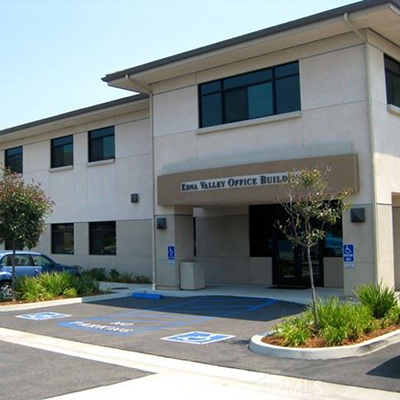
San Luis Obispo, CA 93401

Contact EAG
Orange County: (949) 277-0303
San Luis Obispo: (805) 782-9900