






Wrongful Termination Claims in California: What Employers Need to Prove to Win


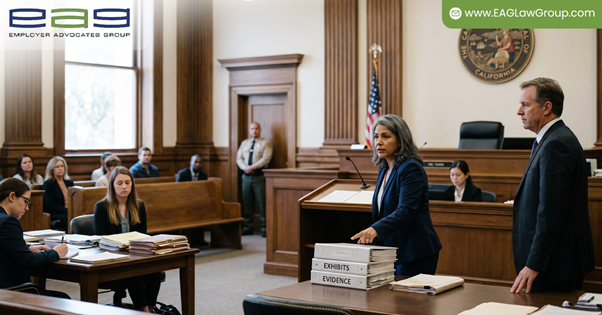
A single firing decision can trigger stress, cost, and risk. Claims rise fast when a former employee feels wronged. Clear records and fair steps help protect your company. In Wrongful termination in California, courts look at facts, not feelings. Employers who plan ahead and act with care stand a strong chance in court. Employer Advocates Group helps businesses stay ready, stay calm, and stay in control when claims show up.
Why These Claims Happen
California follows at will employment. Still, limits exist. A worker cannot be fired for illegal reasons. Claims grow from gaps in process, mixed messages, or poor notes. A manager may act in good faith, yet a weak file can hurt a case.
Common triggers include claims tied to discrimination, retaliation, or public policy. A worker may say a firing is linked to a complaint, a leave request, or a protected trait. Your job is to show a lawful, clear, and fair reason.
What Employers Must Prove
To win, you must show a valid reason and a clean process. Courts weigh proof, not intent alone. Focus on these pillars:
- Legitimate business reason
Show a clear cause like poor work, rule breach, or role change. Link the decision to real facts. Tie it to job duties and company goals. - Consistent treatment
Treat similar cases in a similar way. If one worker gets a warning for the same act, a sudden firing of another raises doubt. Keep discipline steps steady across teams. - Well-kept records
Notes, emails, and reviews matter. Write facts, dates, and outcomes. Avoid vague lines. Good records build trust with a judge or jury. - Policy alignment
Follow your handbook. If your policy lists steps, use them. If you skip steps, explain why with facts. - No illegal motive
Prove the decision has no link to a protected trait or a protected act. Show timing, context, and prior issues to break any false link.
Build a Strong Defense File
A solid file wins cases. It shows a story from hire to exit. It also shows fair play at each step. Use these elements:
- Clear job descriptions and goals: Set simple targets. Review them with staff. Update when roles change.
- Regular performance reviews: Give honest feedback. Note wins and gaps. Add dates and action plans.
- Written warnings and plans: Use a step plan when issues arise. List what went wrong, what must change, and by when.
- Witness notes and manager logs: If an event occurs, write it down the same day. Keep names, time, and facts.
- Exit memo: At termination, write a short memo with the reason, steps taken, and final decision maker.
These steps form core wrongful termination defense strategies. They reduce guesswork and show a fair path.
Follow Legal Requirements in California
Rules guide each stage of employment. Breaks in process can weaken your case. Keep these points in mind:
- Protected classes and activities
Know state and federal rules. Train managers to spot risks tied to race, age, disability, religion, gender, leave, and whistleblowing. - Leave and accommodation duties
Engage in a good faith process for medical leave or disability. Document talks and options. - Wage and final pay rules
Provide final pay on time. Give all required notices at exit. - Complaint handling
Take every complaint with care. Investigate, document, and act.
These steps reflect Employee Termination Legal Requirements in California. A clean process strengthens your position.
Avoid Common Pitfalls
Small errors can grow into big claims. Watch for these traps:
- Mixed reasons for termination across emails and memos
- Sudden discipline after a complaint with no prior record
- Harsh action for one worker and light action for another
- Missing signatures, dates, or policy references
- Informal texts or chats that conflict with formal records
Clean, steady, and fair actions reduce risk. Keep your team trained and your files tight.
Work With Experienced Counsel
Legal guidance brings focus and speed. Employer Advocates Group helps assess risk, shape records, and plan defense. Early review can spot gaps before they grow. During a claim, counsel builds a clear narrative, aligns evidence, and prepares witnesses. This approach strengthens defending wrongful termination claims and keeps your business on solid ground.
Final Thoughts
Claims will come up at some point. Your edge comes from preparation, not reaction. Build strong files, train managers, and follow your own rules. Use clear wrongful termination defense strategies from day one. Employer Advocates Group stands ready to guide each step, from policy design to courtroom defense.
Take Action Today
Protect your business before a claim lands on your desk. Connect with the Employer Advocates Group for a risk review and a custom plan. Put structure in place, fix gaps, and move forward with confidence.
FAQs
1. What counts as wrongful termination in California?
A claim arises when a worker alleges a firing links to an illegal reason, such as discrimination, retaliation, or a breach of public policy. Employers must show a lawful cause and a fair process. Clear records and steady discipline help defend such claims.
2. How can an employer prove a legitimate reason for termination?
Use written reviews, warnings, and goal plans to show a pattern. Link the final decision to job duties and business needs. Include dates, facts, and prior steps. A consistent record across time carries strong weight in court.
3. Why does consistency matter in discipline?
Courts compare similar cases. If two workers commit the same act, different outcomes can suggest bias. Keep actions aligned with policy and past practice. If a deviation occurs, explain with facts and document the reason in detail.
4. What role do policies play in a defense?
Policies set the rules of the road. Following them shows fairness and order. If your handbook lists steps, use them or document why a step was skipped. Policy alignment strengthens credibility and reduces doubt about motive.
5. When should an employer seek legal guidance?
Engage counsel early, at the first sign of risk or before a termination decision in a sensitive case. Early input helps shape records and avoid missteps. During a claim, counsel organizes evidence, prepares witnesses, and builds a clear defense path.
Our Offices

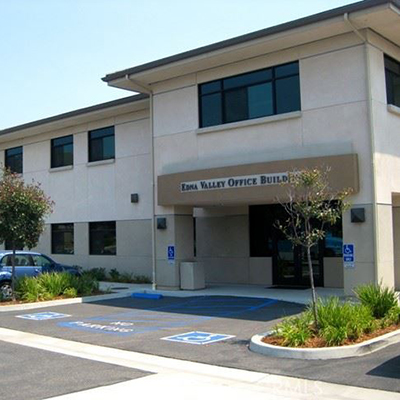
San Luis Obispo, CA 93401

Contact EAG
Orange County: (949) 277-0303
San Luis Obispo: (805) 782-9900