





From Complaint to Lawsuit: A California Employer’s Step-by-Step Defense Strategy


An employee raises a concern. It sounds small at first. Then tension grows, emails pile up, and soon a legal notice lands on your desk. Things can spiral fast. Smart action in early stages can cut legal risk by more than half. Quick, clear steps matter.
Quick answer: A structured legal response, from clear records to legal counsel, helps California employers lower liability and stay in control.
Let’s break down each step so you can act with confidence and keep your business steady.
Step 1 – Take Every Complaint Seriously (Even Informal Ones)
Every complaint counts. It does not need to be in writing to carry weight. A casual chat, a quick Slack message, or a hallway talk can trigger legal duties.
California law protects employees who raise concerns about workplace issues. These may include harassment, pay disputes, or unfair treatment. Ignoring even a small concern can turn into a bigger problem later.
Here is how to respond right away:
- Acknowledge the complaint with respect and a calm tone
- Record key details like date, time, and people involved
- Avoid quick judgments or blame
- Assure the employee of a fair review process
A fast response builds trust. It also shows good faith if legal review happens later. Keep your tone neutral. Do not dismiss or downplay any concern.
Step 2 – Launch a Prompt and Neutral Internal Investigation
Once a complaint comes in, start an internal review without delay. Speed matters. A slow response can look careless and raise risk. Choose a trained HR lead or bring in an outside investigator. Neutrality is key. Any hint of bias can damage your defense.
A fair investigation should include clear steps:
- Speak with the employee who raised the issue
- Interview witnesses in a private setting
- Review relevant records and past complaints
- Keep notes for each step
Stay focused on facts. Do not guide answers or pressure anyone. Also, avoid any action that may look like retaliation. Even small changes in job role or schedule can raise red flags.
Clear and fair action shows your intent to resolve issues, not hide them.
Step 3 – Preserve Evidence and Documentation
Good records can save you in a legal fight. Poor records can sink your case. Start collecting and securing all relevant data as soon as a complaint surfaces.
Look at all possible sources. Digital and paper records both matter.
- Emails and internal chats
- Performance reviews and write-ups
- Time records and payroll data
- Security footage, if available
Create a clear timeline. When did events occur? Who was involved? What action did management take? Set a legal hold if needed. This step stops the deletion of key records. Even routine file clean-ups should pause. Lost data can harm your position.
Think of documentation as your safety net. Without it, your side of the story may not hold up.
Step 4 – Evaluate Legal Risk Early
Not every complaint leads to a lawsuit. Still, each one carries some level of risk. Early evaluation helps you decide the next steps. Bring in an employment lawyer when the issue involves serious claims or high stakes. Legal guidance at this stage can shape your entire strategy.
Watch for these risk factors:
- Claims tied to discrimination based on protected traits
- Wage and hour disputes, including unpaid overtime
- Allegations of retaliation after a complaint
A legal expert can review facts, assess exposure, and guide your response. Early advice helps you avoid costly mistakes.
Step 5 – Respond Strategically to Agency Complaints
If a complaint reaches a government agency, your response must be tight and well-structured. In California, claims may go to state or federal bodies. You will need to submit a position statement. This document explains your side and includes supporting evidence.
Focus on clarity and facts. Avoid emotional language. Stick to timelines and documented actions. Common missteps include weak records, delayed responses, or inconsistent statements. These issues can hurt your credibility.
A strong response shows your process, your policies, and your effort to address the issue. It can even stop a case from moving forward.
Step 6 – Pre-Litigation Resolution Options
Before a lawsuit begins, you may get a chance to resolve the matter. This stage gives you room to weigh costs and outcomes.
Settlement and mediation are common paths. Each has pros and cons. Settlement offers a quick close. It can save time and legal fees. Mediation allows both sides to discuss issues with a neutral third party.
Think about these points:
- Cost of defense versus cost of settlement
- Impact on team morale and public image
- Strength of your evidence
Early resolution can make sense if risk is high. Still, do not rush. Review all facts and seek legal input before any decision.
Step 7 – Building a Strong Litigation Defense
If a case moves to court, preparation becomes your main tool. A solid defense rests on clear records and a consistent story. Your legal team will shape arguments, file motions, and manage court steps. Your role is to provide full and accurate information.
Documentation plays a central role. It shows your actions and intent. Witnesses also matter. Prepare them well. Help them stay calm and factual. Consistency is key. Any gap or change in your story can weaken your case. Stay aligned with your legal team at every stage.
Litigation can be long and costly. A strong foundation makes the process smoother and improves your chances.
Step 8 – Post-Case Risk Prevention
Once a case ends, your job is not over. Use the outcome as a learning point. Review what worked and what did not. Update workplace policies if gaps appear. Clear rules help prevent future issues. Train managers and staff on proper conduct and reporting steps.
Regular audits can keep you on track. Check your processes, records, and compliance measures. A proactive approach lowers risk. It also builds a healthier work environment.
Conclusion
Handling employee complaints with care and structure can protect your business from serious legal trouble. Each step, from early response to post-case review, builds a strong defense. Preparation and prevention go hand in hand.
Reach Out Today
Facing a workplace complaint can feel like a tight spot. You need clear steps and solid legal direction. Employer Advocates Group helps California employers handle complaints, reduce risk, and build strong defenses. Reach out today to get guidance you can trust and keep your business on steady ground.
FAQs
1. What should an employer do immediately after receiving a complaint?
An employer should listen with care, note key details, and confirm receipt of the complaint. Early action includes recording facts, avoiding judgment, and starting a review process. Clear communication shows respect and builds a strong base for future steps and legal protection.
2. When should an employer involve an employment lawyer?
An employer should reach out to a lawyer when a complaint involves serious claims like discrimination, wage issues, or retaliation. Legal input at an early stage helps assess risk, guide investigation steps, and prevent errors that may lead to higher liability or court action.
3. Can internal investigations protect employers in court?
Yes, a fair and well-documented investigation can strengthen an employer’s position. Courts look at how a company handled complaints. A neutral process with clear records shows intent to resolve issues and may reduce penalties or support a strong legal defense.
4. What are the most common mistakes employers make during complaints?
Employers may ignore early signs, delay action, or fail to document steps. Some show bias or take actions seen as retaliation. Poor communication and weak records also create problems. Each of these mistakes can increase legal risk and weaken a defense later.
5. Is settling before a lawsuit always the best option?
Settlement is not always the right choice. It depends on case strength, cost, and long-term impact. Some cases benefit from early resolution, while others need a firm defense. A careful review with legal guidance helps decide the best path for each situation.
Our Offices

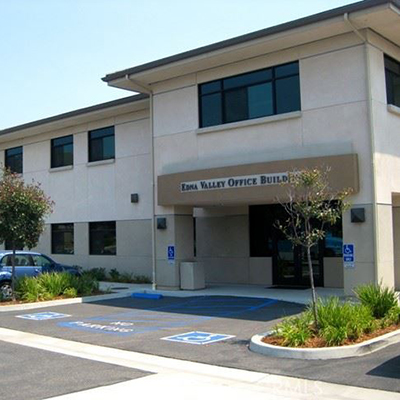
San Luis Obispo, CA 93401

Contact EAG
Orange County: (949) 277-0303
San Luis Obispo: (805) 782-9900