





How to Audit Your Workforce for Misclassification Risk?


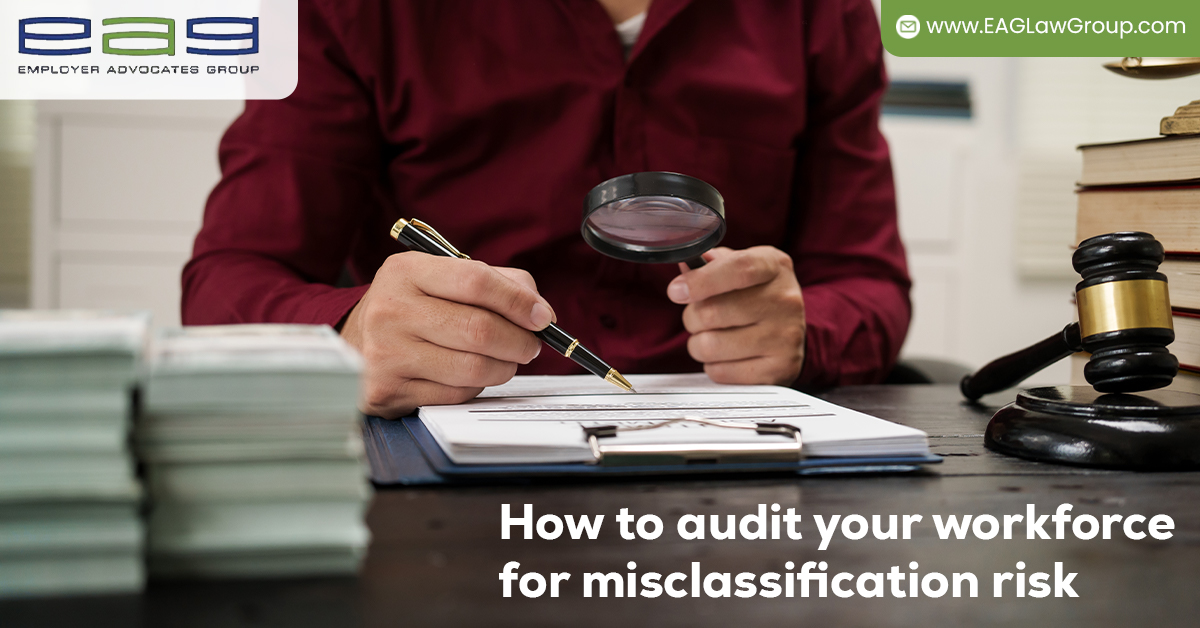
Running a business means wearing many hats. One wrong move with worker status can bring audits, fines, and stress no one wants. Employee misclassification often happens without bad intent. Still, regulators do not care about intent. They care about facts. That is why smart employers take time to audit their workforce before problems show up.
At Employer Advocates Group, we see this issue across industries. Employers grow fast, teams change, and rules feel confusing. A clear audit helps you spot risks early and fix them on your terms.
Why Misclassification Deserves Your Attention?
Worker classification affects taxes, wages, benefits, and compliance. A small mistake can snowball into back pay, penalties, and legal claims. Even one worker flagged as a contractor instead of an employee can trigger a deeper review.
From an employer’s view, an audit is not about blame. It is about control. You protect cash flow. You protect your brand. You protect your team.
Step One: List Every Worker Relationship
Start with a clean list. Do not rush this step. Include everyone who performs work for your business.
Break them into groups such as:
- Full-time employees
- Part-time employees
- Independent contractors
- Freelancers and consultants
Include job roles, length of service, and how they get paid. This list becomes your audit map.
Step Two: Review How Work Gets Done
Titles do not matter much. Behavior does. Agencies look at how work happens day to day. Ask simple questions and be honest with the answers.
Focus on control and independence:
- Who sets work hours?
- Who decides how tasks get done?
- Who provides tools and equipment?
- Who can refuse work?
If you direct most parts of the job, the risk of misclassification rises. This is where many employers slip without noticing.
Step Three: Check Pay and Benefits Patterns
Money tells a story. Review how each worker gets paid.
Look at things like regular pay schedules, expense coverage, and bonuses. Contractors often bill per project. Employees usually get steady pay.
Red flags include contractors paid like staff or contractors who rely on your business for most income. These patterns raise questions during audits.
Step Four: Match Roles to Legal Tests
Federal and state agencies use tests to judge worker status. These tests vary by location. That makes audits tricky.
Common factors include:
- Level of control
- Opportunity for profit or loss
- Skill and independence
- Duration of the relationship
Employer Advocates Group helps employers compare roles against these tests. This step turns guesswork into facts.
Step Five: Review Contracts and Policies
Written agreements matter. They should match real work conditions.
Check contractor agreements for clear language about independence. Review handbooks and policies to ensure they do not treat contractors like staff.
A contract alone will not fix employee misclassification. Still, weak documents add risk.
Step Six: Fix Issues Before They Escalate
Once you spot gaps, act fast. You may need to reclassify roles, adjust pay, or change work structure.
Fixes feel tough, but cost less than penalties. Early action also builds trust with workers and regulators.
Employer Advocates Group guides employers through this phase with care and clarity.
Why Partner With Employer Advocates Group?
Workforce audits need balance. You want accuracy without panic. Employer Advocates Group works from the employer side. We focus on compliance that supports growth.
Our team helps you spot risks, plan fixes, and stay ahead of audits. You gain peace of mind and clear next steps.
Take the Next Smart Step
Do not wait for a notice or complaint. A proactive audit saves money and stress. Let Employer Advocates Group help you review your workforce with confidence. Reach out today and take control of your compliance before risks turn real.
FAQs
1. What is worker misclassification?
It happens when a worker is labeled as a contractor but meets the legal test of an employee.
2. Can misclassification happen by accident?
Yes. Many employers make this mistake while scaling or changing roles.
3. How often should we audit our workforce?
Review classifications at least once a year or after major role changes.
4. Are contractors always risky?
No. Contractors are fine when the relationship fits legal standards.
5. Can Employer Advocates Group help with corrections?
Yes. We support audits, corrections, and compliance planning.
Our Offices

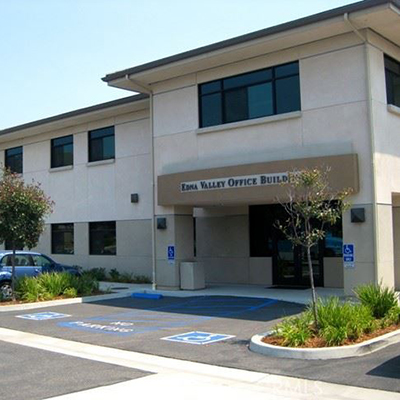
San Luis Obispo, CA 93401

Contact EAG
Orange County: (949) 277-0303
San Luis Obispo: (805) 782-9900