






Wage & Hour Lawsuits in California: Why Employers Lose (and How to Win)


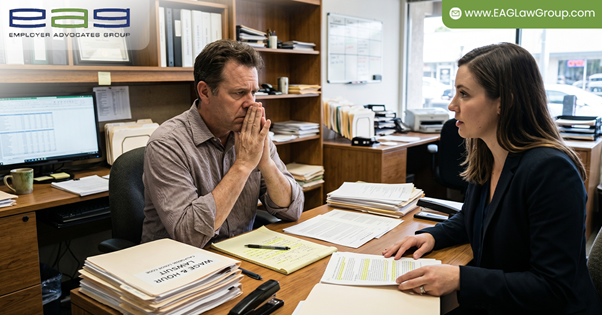
California leads the nation in wage and hour claims. Rules feel strict, and small mistakes can trigger big trouble. Employees now know their rights and speak up fast. Courts expect clean records and clear pay practices. Employers who miss details face claims, penalties, and stress.
Quick answer: Employers lose wage and hour lawsuits due to poor documentation, misclassification, and non-compliance with strict California labor laws.
This guide breaks down why cases rise, where employers slip, and how to stay on the safe side.
Why Wage & Hour Lawsuits Are Increasing
California sets tough standards for pay, breaks, and records. These laws go beyond federal rules. Even a minor error can lead to a claim. Then, word spreads fast. Workers share tips online and learn what to check in paychecks and time logs.
Employee awareness keeps rising. People review wage statements and track hours on their own phones. If something looks off, they act. Lawyers also look for patterns. One claim can grow into a group case.
Class actions raise the stakes. If several workers face the same issue, claims combine. This increases cost, time, and risk. Employers then deal with audits, legal fees, and public scrutiny.
Top Reasons Employers Lose Wage & Hour Cases
Employee Misclassification
Misclassification stands at the core of many disputes. Employers may label workers as independent contractors to reduce costs. California uses strict tests to define who counts as an employee. If a worker meets those tests, mislabeling creates liability.
Exempt versus non-exempt status also creates risk. Exempt workers do not receive overtime. Non-exempt workers must receive overtime pay and meal breaks. If a role gets tagged wrong, back pay builds fast.
Inaccurate Timekeeping
Time records must match real work hours. If staff work off the clock, the law still counts those hours. Even short tasks like checking emails after hours can create claims.
Meal and rest breaks carry strict rules. Employers must provide breaks at set times. If records fail to show proper breaks, courts may assume violations occurred. Clean logs matter here.
Payroll and Recordkeeping Failures
Wage statements must show clear details. Missing data, like hours worked or pay rates, can trigger penalties. Courts rely on employer records. If records stay incomplete, judges may favor employee claims.
Payroll errors also hurt credibility. Late pay, wrong rates, or missing overtime all point to poor control. Employers then struggle to prove compliance.
Failure to Follow California-Specific Laws
California law includes daily overtime. Workers earn extra pay after eight hours in a day, not just after forty hours in a week. Missing this rule creates quick claims.
Other rules cover split shifts, reporting time pay, and rest periods. Each rule adds a layer of duty. Employers who apply only federal standards miss key state rules.
How Employers Can Win With Prevention
Prevention works better than defense. Clear systems, regular checks, and trained teams reduce risk. Focus on structure and consistency.
- Conduct regular wage and hour audits
Internal reviews catch errors early. Audits check pay rates, time logs, and classifications. Fixing issues early cuts exposure. - Implement accurate time tracking systems
Digital tools record clock-in and clock-out times. Employees can review their own hours. This builds trust and reduces disputes. - Update employee classifications
Review roles with legal guidance. Check duties, pay structure, and level of control. Adjust titles and status where needed. - Train managers and HR teams
Supervisors guide daily work. They must know break rules, overtime triggers, and record duties. Training keeps everyone aligned.
Each step builds a strong defense. Courts look for good faith efforts. A clear process shows intent to comply.
What to Do If You Are Facing a Lawsuit
A claim needs quick and careful action. Panic leads to mistakes. A calm, structured response protects the business.
- First, gather all records. Pull time sheets, wage statements, and policies. Keep files intact. Do not alter anything. Clean data helps legal review.
- Next, involve legal counsel. A qualified attorney reviews facts and builds a plan. Early advice shapes the path forward.
- Then, review internal practices. Identify gaps and fix them right away. While this does not erase past issues, it shows an effort to comply going forward.
Communication also matters. Keep discussions limited and guided by counsel. Avoid informal talks with claimants about the case.
Settlement vs Trial – What Employers Should Know
Choosing between settlement and trial requires clear thinking. Each path has trade-offs.
- Cost comparison
Trials demand time, expert witnesses, and long preparation. Settlement may cost less in total spend, even if the payout feels high. - Risk factors
Trials carry uncertainty. A judge or jury may award higher damages. Settlement brings control and closure. - Strategic decision-making
Strong records and clear compliance may favor trial. Weak records may point toward settlement. Each case needs a custom approach.
Employers should weigh direct costs and indirect impact. Reputation, employee morale, and business focus all play a role.
Future-Proofing Your Business Against Wage Claims
Long-term success comes from steady compliance. Policies must stay current. Laws change, and practices must follow. Update employee handbooks. Make rules clear and easy to read. Cover breaks, overtime, and reporting steps. Then, share updates with staff.
Run ongoing audits. Set a schedule for quarterly or semiannual checks. This keeps systems fresh and errors low. Build legal partnerships. A trusted advisor helps interpret new laws and guides policy updates. This keeps the business ready for change.
Technology also helps. Use reliable payroll and time systems. Automation reduces human error and creates a clear trail.
Conclusion
Wage and hour compliance costs less than litigation. A proactive plan saves time, money, and reputation. Employers who focus on clean records, proper classification, and clear policies reduce risk in a big way. Small steps today prevent large problems tomorrow.
Take Control of Wage Compliance Today
Avoid costly disputes and keep your business steady. Build strong systems, train your team, and stay ahead of legal changes. If you want a clear plan and expert guidance, connect with Employer Advocates Group. We help employers fix gaps, manage risk, and move forward with confidence in every pay cycle.
FAQs
1. What is the most common wage and hour violation in California?
The most common violation involves unpaid overtime and missed meal or rest breaks. Errors in time records also appear in many claims. If records fail to show proper hours and breaks, courts may assume violations, which increases employer liability and penalties.
2. How can employers avoid wage and hour lawsuits?
Employers can reduce risk through regular audits, clear policies, and accurate time tracking. Proper worker classification also plays a key role. Training managers ensures daily practices match legal rules, which helps prevent disputes before they start.
3. What penalties can employers face for wage violations?
Penalties may include back wages, interest, statutory fines, and legal fees. In some cases, employers must pay waiting time penalties or damages tied to wage statement errors. Costs rise fast when multiple employees join a single claim.
4. Are wage and hour lawsuits always class actions?
Not all cases become class actions. Some start as individual claims. If several workers share the same issue, attorneys may group claims into a class action. This increases financial exposure and makes defense more complex.
5. Should employers settle wage and hour lawsuits quickly?
Quick settlement may reduce legal costs and limit risk, but each case needs careful review. Strong records may justify a defense at trial. Weak documentation may push toward settlement. A balanced approach with legal advice leads to better decisions.
Our Offices
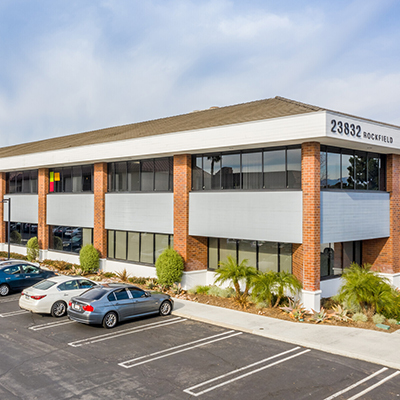
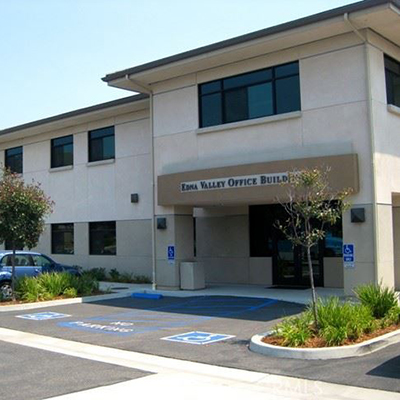
San Luis Obispo, CA 93401

Contact EAG
Orange County: (949) 277-0303
San Luis Obispo: (805) 782-9900