





How to Respond When an Employee Files a Whistleblower Complaint?


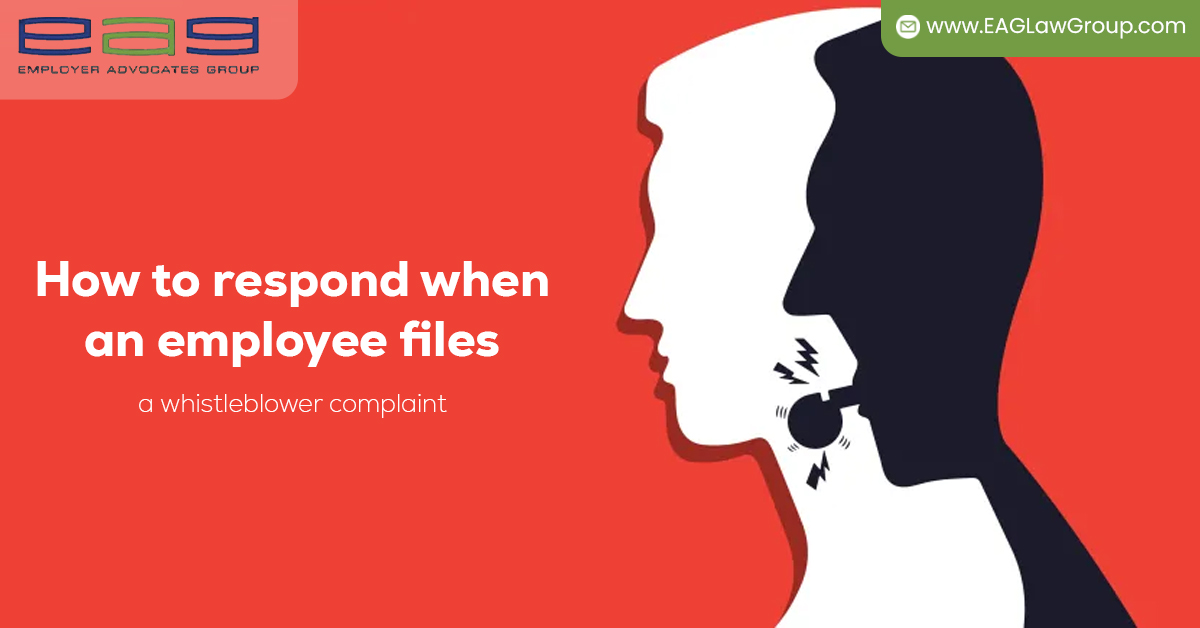
A whistleblower issue can hit without warning. One email, one call, and suddenly leadership feels the heat. For employers, the goal stays clear. Act fast, stay calm, and protect the business without cutting corners. A poor response can create legal risk and damage trust. A smart response builds control and credibility.
At Employer Advocates Group, the focus stays on helping employers respond with clarity and confidence when a whistleblower complaint lands on the desk.
Pause First and Lock Things Down
The first move matters. Avoid knee-jerk reactions. Do not confront the employee. Do not defend the company in writing. Instead, pause and secure facts.
Start by limiting access to records related to the claim. Preserve emails, messages, logs, and files. This step shows good faith and avoids claims of cover-ups.
Also, keep the circle tight. Share details only with people who need to know. Loose talk fuels risk.
Take Retaliation Off the Table
Retaliation claims cause more damage than the original issue. Even small actions can look bad.
Make it clear that the reporting employee stays protected. Train managers right away. One careless comment can spark trouble.
Watch out for common risk points like
- Schedule changes
- Pay issues
- Role shifts
- Performance write-ups
Document every decision tied to the employee. Clear notes help show fairness.
Review the Complaint with Care
Read the claim more than once. Look for facts, dates, and names. Separate emotion from issues. Some complaints involve policy gaps. Others point to real legal risk.
Check which laws apply. Claims can involve safety, pay, privacy, or fraud. Each area carries different duties for employers.
This is also the time to assess exposure. Ask what proof exists and where it sits.
Run a Fair and Focused Investigation
An investigation shows respect for the process. It also protects the employer.
Assign a neutral party. Avoid anyone with ties to the issue. In some cases, outside counsel works best.
Key investigation steps include:
- Interviewing witnesses
- Reviewing records
- Comparing policies with actions
- Tracking timelines
Keep interviews professional and short. Stick to facts. Take clear notes.
A strong investigation does not rush. It also does not drag.
Communicate Without Over-Sharing
Employees want to know the company takes reports seriously. They do not need full details.
A simple acknowledgment goes far. Let the reporting employee know the complaint has been received and reviewed. Avoid promises or outcomes.
If the issue affects others, share general reminders about ethics and policy. Keep names out of it.
Clear communication reduces gossip and fear.
Fix What Needs Fixing
If the review finds gaps, act on them. This step matters even if the claim lacks proof.
Update policies if needed. Add training where teams struggle. Improve reporting paths so workers feel safe speaking up.
These actions help prevent future issues and show leadership.
At this stage, employers often rethink how they handle a whistleblower report from start to finish.
Prepare for Outside Scrutiny
Some complaints reach agencies or courts. Preparation matters. Organize records. Align stories. Make sure leaders understand the facts.
Employer Advocates Group helps employers prepare for audits, agency calls, and legal steps tied to a whistleblower complaint. The goal stays simple. Reduce risk while keeping control.
Why Employer Advocates Group Helps Employers Stay Ready?
Employer Advocates Group works from the employer side. The team focuses on compliance, response plans, and smart defense.
Support includes
- Complaint response planning
- Investigation guidance
- Manager training
- Policy review
A clear plan helps employers handle any whistleblower issue without panic.
Ready to Protect Your Business
A whistleblower issue tests leadership. The right response protects people and the company.
Employer Advocates Group helps employers respond with structure, calm, and legal sense. Reach out today to build a response plan before the next complaint hits.
FAQs
1. Should an employer discipline a whistleblower during an investigation?
Only if the action has clear proof and no link to the report. Even then, caution helps.
2. Do all complaints require a full investigation?
Yes. Each claim deserves review, even if it seems weak.
3. Can employers ask who made the report?
Avoid it. Focus on facts, not identities.
4. How long should an investigation take?
Most wrap within weeks. Speed matters, but accuracy matters more.
5. What if the complaint proves false?
Document findings and close the case. Avoid blame unless bad faith is clear.
Our Offices

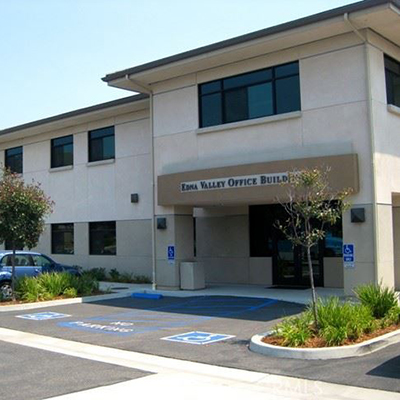
San Luis Obispo, CA 93401

Contact EAG
Orange County: (949) 277-0303
San Luis Obispo: (805) 782-9900