





How to Hire the Right Employees for Your Business?


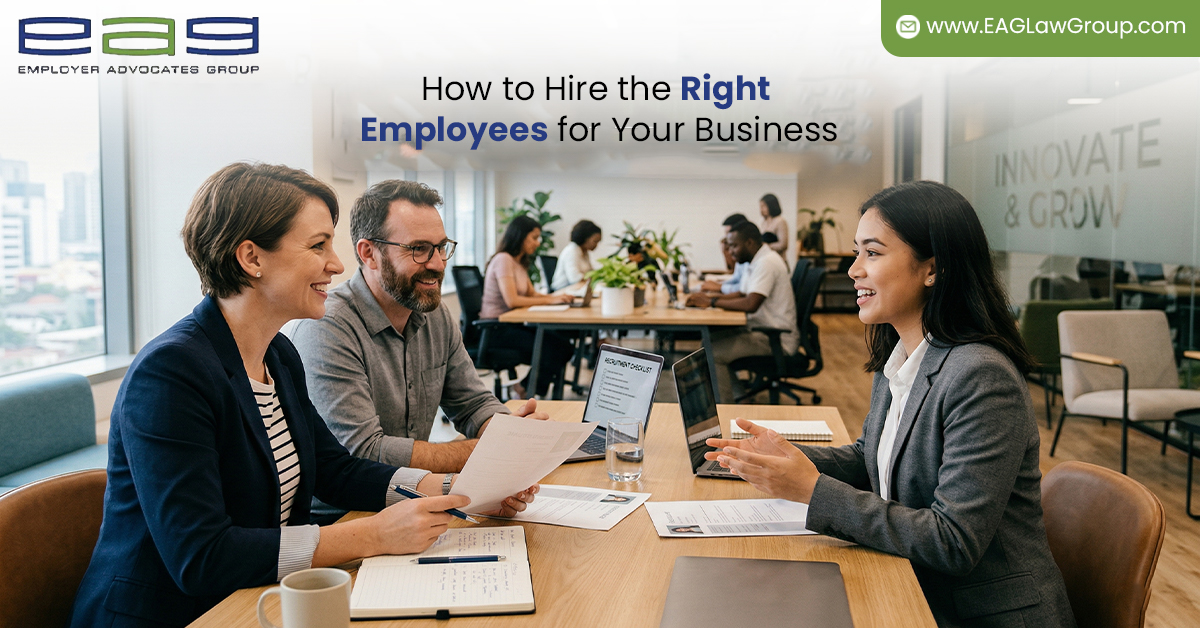
Finding the right people can shape how a business grows, serves clients, and handles daily work. A strong team brings fresh ideas, steady output, and fewer issues down the line. Hiring is not just filling a seat. It is about picking people who fit your goals and values. A clear plan built on best hiring practices helps avoid bad hires and wasted time. Employer Advocates Group supports employers with legal guidance and smart hiring steps, so each decision stays safe, fair, and strong.
Why Hiring the Right Way Matters?
A wrong hire costs time, money, and team morale. Work slows down. Conflicts rise. Training effort goes to waste. On the flip side, a good hire boosts energy and trust across the team.
Employer Advocates Group helps employers stay compliant with labor laws while building solid teams. From job offers to workplace policies, legal support reduces risk and keeps hiring smooth.
Build a Clear Employee Hiring Process
A solid employee hiring process gives structure. It keeps each step fair and easy to follow. It also helps avoid bias and legal trouble.
Key steps to follow
- Define the role with clear duties and goals
- Write a simple and honest job post
- Screen resumes with a set checklist
- Run structured interviews with the same core questions
- Check background and references carefully
- Send a clear offer letter with terms and policies
Each step should match the company values and legal rules. Employer Advocates Group can guide employers on compliant hiring steps and proper documentation.
Know What You Really Need
Before hiring, take a pause and ask simple questions. What skill does the team lack? What tasks need support? What kind of person will fit the work style?
A job title alone does not solve problems. Clear role design helps find the right match. For example, a fast-paced team may need someone who can adapt quickly. A detail-heavy role needs focus and care.
Write Job Posts That Attract the Right People
A job post should feel real and easy to read. Skip buzzwords. Use simple language. Say what the job involves. Share what success looks like in the role.
Add details like work hours, pay range, and growth path. Clear posts bring better applicants. It also saves time during screening.
Compare Candidates the Smart Way
Use a fair system to review candidates. Do not rely on gut feeling alone. Look at skills, past work, and how each person solves problems.
Below is a simple comparison table employers can use:
| Criteria | Candidate A | Candidate B | Candidate C |
| Skill Match | High | Medium | High |
| Experience Level | 5 years | 3 years | 6 years |
| Cultural Fit | Strong | Moderate | Strong |
| Communication Style | Clear | Basic | Clear |
| Problem Solving | Strong | Moderate | Strong |
This method supports best hiring practices and keeps decisions fair and clear.
Conduct Interviews With Purpose
Interviews should feel like a two-way talk. Ask open questions. Let candidates share real examples. Focus on how they handled past tasks or issues.
Avoid tricky or unclear questions. Keep the tone friendly but focused. Also, stay aware of legal limits during interviews. Employer Advocates Group helps employers stay within legal lines and avoid risky questions.
Check Background and Stay Compliant
Background checks help confirm facts. They also protect the workplace. Still, employers must follow laws during this step.
Important checks to include
- Work history verification
- Reference calls
- Criminal record checks where allowed
- Education confirmation
Always get consent before checks. Keep records secure. Legal support from Employer Advocates Group helps ensure each step follows state and federal rules.
Make a Clear and Fair Job Offer
Once you pick the right candidate, send a clear offer. Include job role, pay, benefits, and start date. Add company policies and terms.
A clean offer reduces confusion. It also builds trust from day one. A strong employee hiring process ends with a smooth offer stage.
Train and Support New Hires
Hiring does not end with an offer. New hires need guidance to succeed. A simple onboarding plan helps them settle in faster.
Set clear goals for the first 30, 60, and 90 days. Check in with them. Give feedback early. This step builds long-term success and reduces turnover.
Final Thoughts
Hiring the right employees takes time, care, and a clear plan. Each step matters, from job post to onboarding. Best hiring practices protect your business and build a team you can trust.
Employer Advocates Group stands by employers with legal support and smart strategies. Ready to build a team that works and grows with you? Connect with Employer Advocates Group today and hire with confidence.
FAQs
1. What is the first step in a strong hiring process?
Start with a clear role definition. Know what skills, tasks, and goals the job needs. This helps attract the right candidates and avoids confusion later. A solid base makes the full hiring process easier and more effective.
2. How can employers avoid bad hires?
Use structured interviews, skill checks, and reference calls. Compare candidates with a set system instead of guesswork. Follow a clear plan. Legal guidance from Employer Advocates Group also helps reduce risks during hiring decisions.
3. Why is legal compliance important in hiring?
Hiring laws protect both employers and workers. Breaking rules can lead to fines or legal issues. Proper steps, clear records, and fair practices help avoid problems. Employer Advocates Group helps employers stay compliant at every stage.
4. How long should the hiring process take?
The timeline depends on the role and urgency. Still, rushing can lead to poor choices. Take enough time to screen, interview, and verify details. A steady pace leads to better hires and long-term success.
5. What makes a candidate a good fit?
A good fit goes beyond skills. Look at attitude, work style, and team match. Someone who aligns with company values and communicates well will perform better and stay longer within the organization.
Our Offices

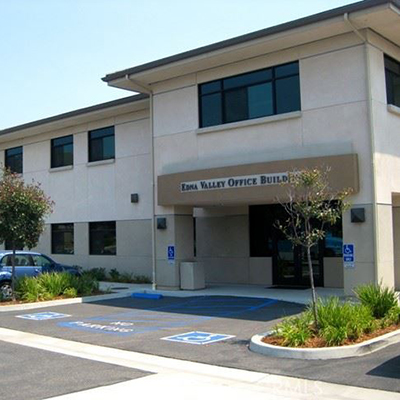
San Luis Obispo, CA 93401

Contact EAG
Orange County: (949) 277-0303
San Luis Obispo: (805) 782-9900