






How to Document Employee Performance to Reduce Litigation Risk



Running a business in California means rules come fast and hard. One missed step can lead to long talks with lawyers. Smart employers stay ready by keeping clean records. A clear plan to document employee performance helps set fair rules, track progress, and show good faith. It also builds trust inside the workplace. Notes tell a story over time. When written well, they show care, honesty, and steady leadership.
Employer Advocates Group works with California employers every day. The goal stays simple. Reduce stress. Cut exposure. Stay ready if a claim shows up.
Why Performance Records Matter For Employers?
Good notes do more than track tasks. They show patterns. They support fair pay, growth talks, and hard calls. They also protect the business when disputes arise.
Performance records help employers:
- Show clear reasons for actions
- Prove fair treatment across teams
- Support decisions with facts
- Lower Litigation Risk during disputes
Clean records keep stories straight. They stop guesswork. They help legal counsel defend choices with confidence.
What To Write And What To Skip?
Strong records focus on facts. They avoid labels or guesses. Keep words plain. Stick to what happened.
Here is what works:
- Dates and times
- Clear actions or results
- Direct quotes when useful
- Steps taken after the event
Avoid emotions. Skip slang aimed at people. Focus on work. Notes should sound calm and fair. Think of them as a log, not a rant.
When To Document Performance?
Timing matters. Notes made close to the event hold more weight. Waiting weeks can raise red flags.
Use this simple rule. Write when something stands out. Good or bad. Praise counts too. Balanced files show fairness.
Common moments to document include:
- Reviews and check-ins
- Policy breaks
- Missed goals
- Coaching talks
- Praise for strong work
This steady habit lowers Litigation Risk since records show a full picture.
How To Keep Records Consistent?
Consistency keeps files strong. Use the same form or system for all staff. Train managers on how to write notes. Keep language steady.
Below is a simple guide employers use to stay aligned:
| Area | Best Practice | Why It Helps |
| Tone | Calm and clear | Shows fairness |
| Format | Same template | Avoids biased claims |
| Timing | Prompt entries | Boosts trust |
| Storage | Secure system | Protects privacy |
Consistency shows intent. Courts value patterns.
Where California Law Fits In?
California rules favor workers. Employers need extra care. Records should link actions to policy. They should show chances for improvement.
Well-kept files help counsel respond fast. They also help spot risks early. Employers who track issues early often fix them before claims grow.
Strong documentation also supports training, discipline, and exit steps. Each note builds a timeline. Timelines help defense teams manage with facts, not guesses.
Working With Employer Advocates Group
Employer Advocates Group supports employers across California. The firm helps shape record systems, review files, and guide managers. The focus stays on defense and compliance. Smart records make legal strategy stronger.
With the right plan, documentation becomes a daily habit, not a chore. It saves time later. It saves money. It keeps control in the employer’s hands.
Ready to reduce risk with smarter records?
Strong documentation protects the business and supports fair leadership. Employer Advocates Group helps employers build clear systems, train teams, and prepare for disputes. Reach out today to put a solid plan in place and cut Litigation Risk before problems start.
FAQs
1. How often should performance notes be written?
Write notes after key events. Reviews, coaching talks, or policy issues work best.
2. Should positive performance be documented?
Yes. Balanced files show fairness and support growth talks.
3. Who should access performance records?
Limit access to HR and leadership. Keep files secure.
4. Can casual notes be used in claims?
Yes. Any written record may surface. Keep all notes professional.
5. How long should records be kept?
Retention depends on the issue. Legal counsel can guide proper timelines.
Our Offices

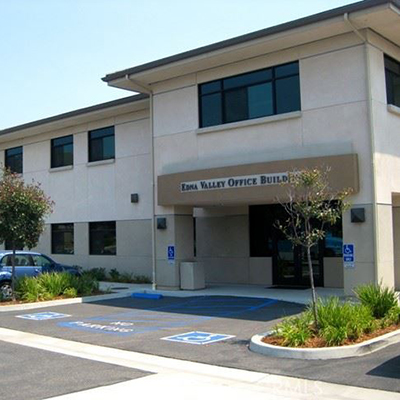
San Luis Obispo, CA 93401

Contact EAG
Orange County: (949) 277-0303
San Luis Obispo: (805) 782-9900