




Handling Complaints From Remote or Hybrid Employees


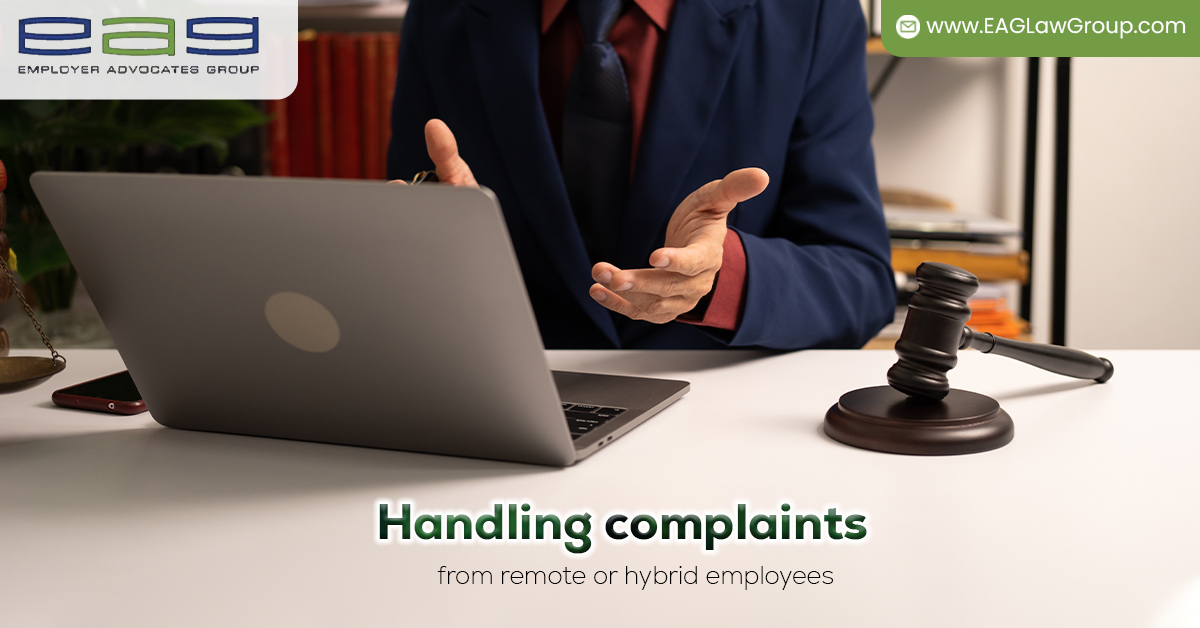
Remote and hybrid work gives teams freedom. It also brings new challenges for employers. Issues that once showed up in hallway chats now land in inboxes or video calls. A small concern can grow fast if ignored. For employers, handling a remote employee complaint the right way protects culture, trust, and legal safety.
At Employer Advocates Group, we work with employers who want clear systems that support people and protect the business. Handling complaints well is not about reacting. It is about building smart habits that work across screens and time zones.
Why Remote and Hybrid Complaints Feel Different?
Remote teams miss body language and casual check-ins. Employees may feel unseen or unheard. This can lead to frustration and silence. By the time a complaint reaches HR, tension may already run high.
Common triggers include unclear roles, uneven workloads, tone in messages, or lack of access to managers. Hybrid teams may face fairness issues between office and remote staff.
Employers need to spot these risks early and act with care.
Set Clear Complaint Channels
Remote employees need simple ways to speak up. If the process feels hard, they may hold back or vent elsewhere. That hurts trust and morale.
Make complaint paths easy to find and easy to use. Share them during onboarding and repeat them often.
Strong channels include:
- A clear HR email or form
- Scheduled virtual office hours
- A trusted manager or HR contact
- Anonymous reporting tools for sensitive cases
Keep the steps short. Explain what happens after a complaint comes in. Clarity builds confidence.
Respond Fast and With Respect
Speed matters. A slow reply sends the wrong message. Even if a full review takes time, acknowledge the concern early.
Thank the employee for speaking up. Set expectations on next steps. Stay calm and open.
When handling employee complaints, tone matters as much as action. Use simple words. Avoid legal jargon. Show that you listen.
Document Everything the Right Way
Remote work relies on digital trails. Use them wisely. Document complaints, meetings, and outcomes in one secure place.
Good records help you
- Track patterns across teams
- Show fair treatment
- Support decisions if issues escalate
Stick to facts. Avoid opinions. Keep notes clean and clear. This protects both the employer and the employee.
Train Managers for Remote Issues
Managers are the first line of defense. Yet many struggle with remote conflict. Training helps them spot early signs and respond well.
Focus training on
- Active listening on calls
- Reading tone in written messages
- Handling conflict without bias
- Escalating issues at the right time
At Employer Advocates Group, we help employers build manager skills that fit modern work. Strong managers reduce risk and stress.
Investigate With Fairness and Care
Treat remote complaints with the same weight as office issues. Avoid assumptions based on location or role.
During reviews
- Speak to all sides
- Use video calls where possible
- Keep conversations private
- Share updates without delay
Fair handling of employee complaints builds trust across the team. It also lowers legal exposure.
Fix Root Causes, Not Just Symptoms
Closing a case does not end the work. Look for patterns. Are teams short-staffed? Are the rules unclear? Is one manager getting repeat complaints?
Fixing root causes improves culture and reduces future issues. It shows employees that feedback leads to real change.
Stay Compliant Across Locations
Remote teams often cross state lines. Laws differ on pay, leave, and conduct. A complaint in one state may follow different rules from another.
Employer Advocates Group helps employers stay compliant while managing a remote employee complaint. The goal is consistency without missing local rules.
Build a Culture That Encourages Speaking Up
Policies matter. Culture matters more. Encourage open talk. Praise respectful feedback. Show leaders who listen.
When employees trust the process, they raise issues early. That saves time, money, and energy.
Ready to Strengthen Your Complaint Process?
Remote and hybrid work is here to stay. Handling concerns well protects your people and your business. Employer Advocates Group supports employers with clear policies, manager training, and compliant solutions. Connect with our team today and build a complaint process that works wherever your employees log in.
FAQs
1. Should remote complaints follow the same policy as office complaints?
Yes. The core policy should stay the same. Adjust the process to fit remote tools.
2. How fast should we respond to a remote complaint?
Acknowledge within one business day. Share next steps even if the review takes time.
3. Can we handle complaints only by email?
Email helps, but video or calls add clarity. Use both when possible.
4. What if a manager is part of the issue?
Route the complaint to HR or an outside advisor to avoid bias.
5. How do we reduce repeat employee complaints?
Review trends. Train managers. Fix process gaps. Follow up with teams.
Our Offices
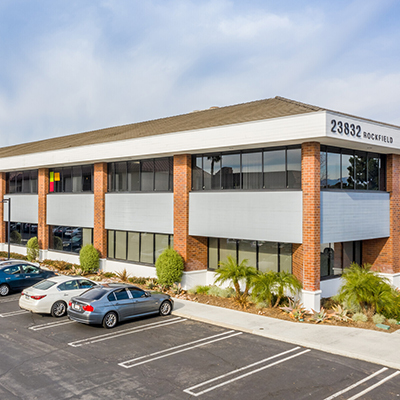
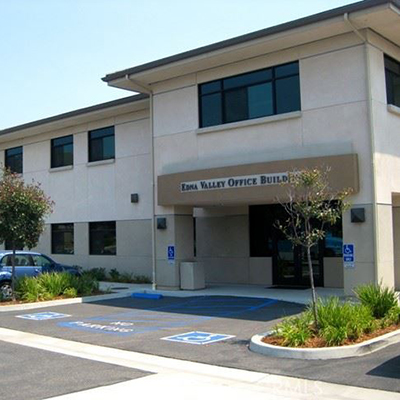
San Luis Obispo, CA 93401

Contact EAG
Orange County: (949) 277-0303
San Luis Obispo: (805) 782-9900