






Documenting Performance to Defend Termination Decisions


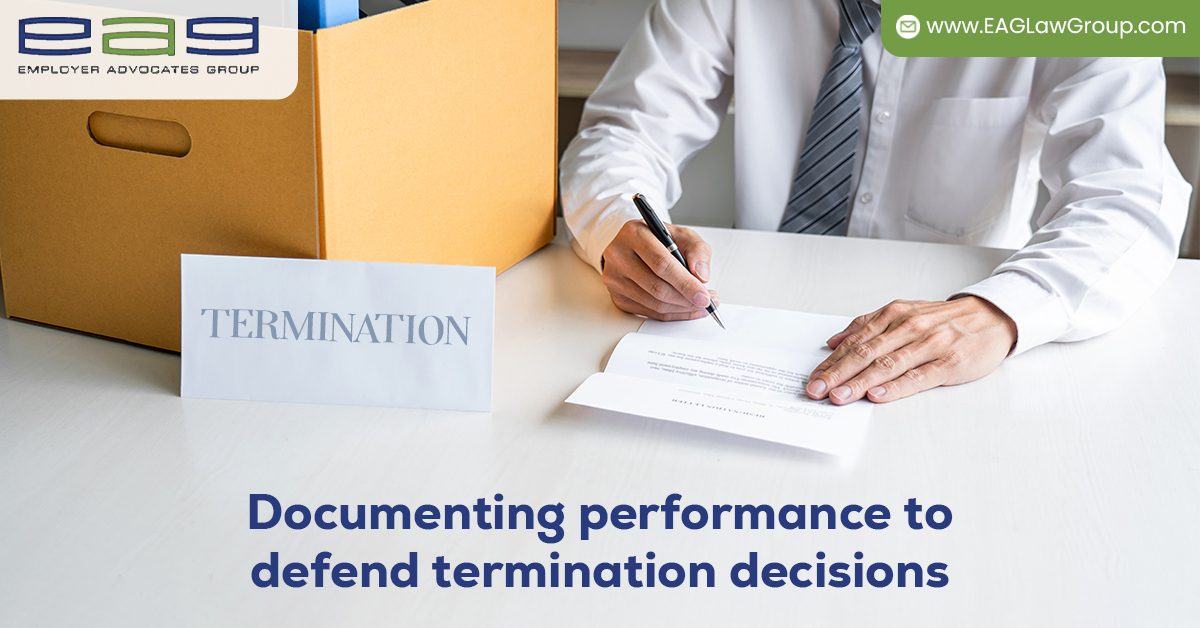
Ending employment is never easy. Still, tough calls are part of running a business. A weak exit process can turn a fair call into a legal mess. That is why clear records matter. At Employer Advocates Group, we work with employers who want to act fairly, stay compliant, and protect their company.
Strong employee performance records give you solid ground. They show that your choice came from facts, not feelings. They also help your team lead with confidence.
Why Performance Records Matter?
Courts and agencies look for proof. They want to see a story that makes sense from start to finish. Notes, reviews, and warnings help tell that story.
Good records help you:
- Show fair treatment
- Provide clear goals and feedback
- Reduce risk of claims
- Support leaders during exits
Without records, even honest choices can look shaky.
Start With Clear Standards
Every record begins with clear goals. Staff must know what good work looks like. If goals stay vague, reviews fall apart.
Set standards that link to the job. Use simple words. Share them in writing. Review them often.
Strong standards cover:
- Job duties
- Quality of work
- Time lines
- Team conduct
When staff know the rules, later talks feel fair.
Keep Notes in Real Time
Memories fade. Notes do not. Write things down close to the event. Short notes work fine. Focus on facts.
Avoid labels and opinions. Stick to what you saw or heard. Dates and details help.
Use performance documentation to track:
- Missed deadlines
- Policy breaks
- Coaching talks
- Praise and wins
Balanced notes matter. Good and bad both count.
Use Reviews as a Tool
Reviews should not surprise staff. They should confirm past talks. A review that drops new issues can cause stress and anger.
During reviews:
- Link feedback to past notes
- Use plain talk
- Ask for staff input
- Set next steps
Have staff sign the review. This shows they saw it, not that they agree.
Address Issues Early
Waiting makes problems worse. Small gaps turn into big ones fast. Early talks show care and effort.
Use a simple plan:
- State the issue
- Share examples
- Set a fixed plan
- Set a check date
Write a short summary after the talk. Add it to the file. This shows support before discipline.
Be Consistent Across Teams
Uneven rules create risk. If one worker gets a pass and another does not, trouble brews.
Train leaders to follow the same steps. Use the same forms. Review files often.
Employer Advocates Group helps build systems that support fair use of performance documentation across teams.
Prepare for the Exit
If work does not improve, the records guide the exit. They show effort and fairness. They also help leaders stay calm during the meeting.
Before a termination:
- Review the full file
- Check policy steps
- Confirm past warnings
- Plan the meeting
Clear records reduce second guesses.
Common Mistakes to Avoid
Some errors weaken a case fast.
Watch out for:
- Gaps in notes
- Emotional language
- Backdated records
- Notes after a complaint
Clean files protect your choice and your brand.
How Employer Advocates Group Supports Employers?
We stand with employers who want to do things right. Our team helps review files, train leaders, and guide exits. We focus on smart steps that lower risk and keep respect.
With our support, your employee performance process stays strong and fair.
Ready to Protect Your Decisions?
Strong records give peace of mind. They help you lead with care and act with confidence. Employer Advocates Group partners with employers who want clear systems and less risk. Reach out today and build a process that stands up when it counts.
FAQs
1. How often should we document performance?
Document after key events. This includes reviews, coaching talks, and policy issues.
2. Can email notes count as records?
Yes, if they stay clear and factual. Store them in the file.
3. Should we document positive work too?
Yes. Balanced files show fairness and growth chances.
4. Who should handle performance records?
Trained leaders with HR support work best.
5. How long should we keep records?
Follow local laws and company policy. Many keep files for several years.
Our Offices

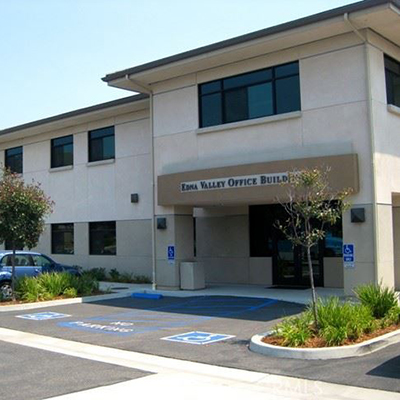
San Luis Obispo, CA 93401

Contact EAG
Orange County: (949) 277-0303
San Luis Obispo: (805) 782-9900