






Defending Employers Against Discrimination & Harassment Claims: Key Strategies


Running a business in California brings pride, pressure, and risk. Employment claims can land fast, often without warning, and the cost goes beyond money. Reputation, morale, and time all sit on the line. A smart defense starts before any complaint hits a desk. Clear rules, steady training, and early legal guidance set the tone. Employer discrimination defense work stays strongest when decisions rely on facts, not fear, and actions stay fair across the board.
Employer Advocates Group supports California employers with practical legal strategies built for real workplaces, not theory. The goal stays simple: reduce risk, respond fast, and protect the business.
Understand the Claims and the Law
Discrimination and harassment claims often fall under state and federal rules, with California laws adding extra layers. These claims may involve hiring, pay, promotion, discipline, or termination. Harassment claims often focus on conduct tied to protected traits.
A strong defense starts with knowing what triggers a claim and how agencies review facts. Timing, wording, and records matter. Early review helps spot weak areas before they grow.
Build Clear Policies Employees Can Follow
Policies act as the first line of defense. Vague language creates gaps. Plain words help staff understand rules and expected conduct.
Effective policies share three traits:
- Clear definitions of discrimination and harassment
- Simple steps for reporting concerns
- Firm rules against retaliation
These basics support defending harassment claims when disputes arise. They also guide managers during daily decisions.
Train Supervisors to Act Fast and Fair
Supervisors shape culture. One poor response can turn a small issue into a formal claim. Training keeps leaders alert and ready to respond.
Focus training on real situations. Role play helps. Short refreshers work better than long lectures. When leaders know how to document, escalate, and pause rash action, risk drops.
Document Everything with Care
Good records tell the story when memories fade. Reviews, warnings, complaints, and investigations all need clean notes. Dates, names, and facts count. Opinions do not.
Consistent records support employer discrimination defense strategies. They show fair treatment and steady standards. Sloppy files weaken credibility and invite doubt.
Investigate Complaints Without Delay
Speed matters. A prompt investigation shows good faith. Neutral reviewers help maintain trust. Each step should follow the same process, no matter who files the complaint.
Here is a simple investigation flow employers often use:
| Step | Purpose | Best Practice |
| Intake | Capture the concern | Listen without bias |
| Review | Gather facts | Check records and messages |
| Interviews | Hear all sides | Ask open questions |
| Findings | Assess evidence | Stick to facts |
| Action | Close the loop | Apply policy evenly |
This approach strengthens defending harassment claims and limits fallout.
Apply Discipline Evenly
Inconsistent discipline fuels claims. Similar conduct should lead to similar outcomes. Exceptions need strong reasons and clear proof.
Fair discipline supports employer discrimination defense by showing neutral standards. It also builds trust across teams.
Work with Counsel Early
Early legal advice saves time and money. Counsel can guide investigations, review communications, and shape responses to agencies. Quick calls often prevent missteps.
Employer Advocates Group offers hands-on support focused on California rules. The firm helps employers manage risk, respond to claims, and prepare for hearings or litigation tied to defending harassment claims.
Prepare for Agency Charges and Lawsuits
Agency charges require tight deadlines and clear responses. Missed dates or loose statements hurt defense options. Preparation includes witness prep, document review, and strategy sessions.
A calm, steady response keeps control and supports employer discrimination defense goals.
Take Control Before Claims Control You
Employment claims do not have to derail growth. Smart planning, steady training, and early legal support protect the business and its people. Employer Advocates Group stands ready to help California employers face discrimination and harassment claims with confidence. Connect today to build stronger defenses and reduce risk before issues escalate.
FAQs
- What should happen first after a complaint surfaces?
Start an intake review, preserve records, and plan an investigation.
- Do verbal complaints count?
Yes. Any report triggers a duty to respond and review.
- Can managers investigate their own teams?
Neutral reviewers work best to avoid biased claims.
- How long should records stay on file?
Retention depends on the record type and state rules. Legal guidance helps.
- Why involve counsel early?
Early advice shapes strategy and avoids costly errors.
Our Offices

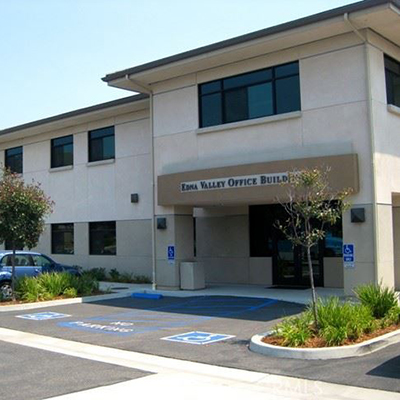
San Luis Obispo, CA 93401

Contact EAG
Orange County: (949) 277-0303
San Luis Obispo: (805) 782-9900