





Conducting Internal Investigations: Best Practices for Employers


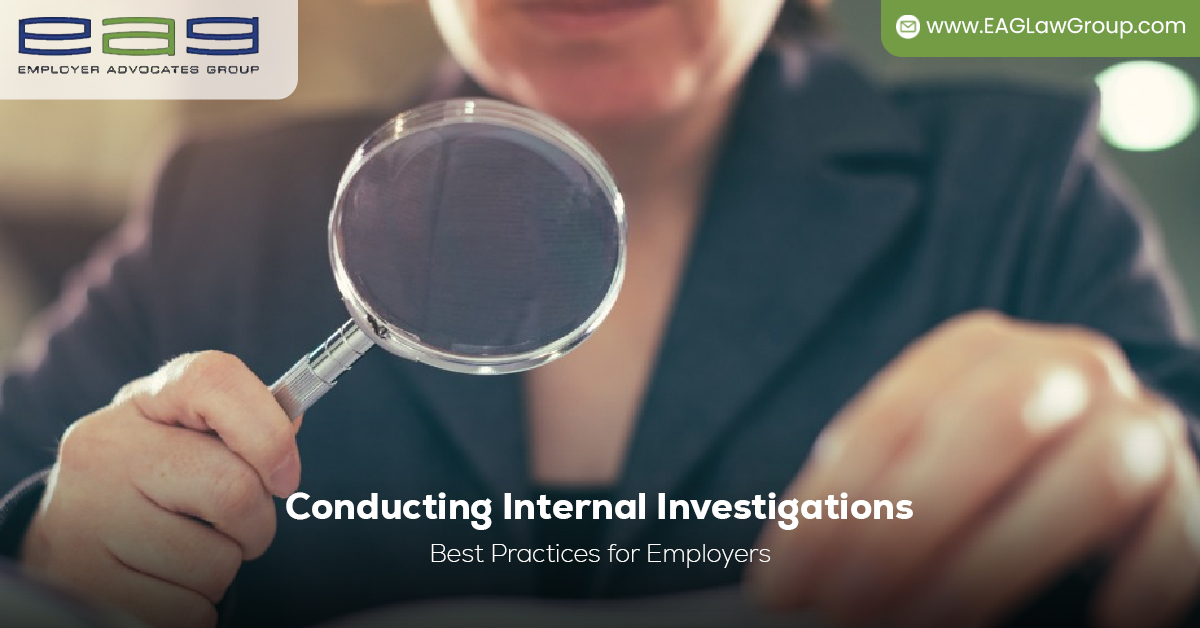
Strong workplaces rely on trust, clarity, and fair processes. Issues pop up, people clash, and problems surface without warning. A smooth response keeps risk low and protects the whole team. A timely internal investigation helps employers understand what went wrong and how to fix it before things snowball.
No workplace is perfect, but a fair process builds confidence and keeps everyone on the same page. Good steps also show workers their concerns matter. Employers who follow a clear plan avoid confusion and cut legal risk early.
Why Fast Action Matters
Time plays a huge role in any workplace issue. Once a complaint lands on your desk, you need to move fast. Quick action helps preserve evidence, keep memories fresh, and prevent more trouble. Delays invite confusion. Small issues can suddenly blow up into large ones. Acting early also sends a strong message that the company takes concerns seriously.
Employer Advocates Group helps employers keep things clean and efficient with processes that fit real-world situations. Your team gets guidance at every stage, so problems stay under control from day one.
Create a Clear Process Before Trouble Starts
Workplaces run smoother when everyone knows how to report concerns. A good policy outlines who handles reports, which steps follow, and how confidentiality works. Keep it simple so workers feel safe speaking up. As long as your staff feels heard, issues come forward sooner.
Make sure your team knows where to go and who to talk to. Clarity lowers stress for everyone involved and keeps the company protected. A simple structure works best, and it gives you a strong starting point whenever problems arise.
Pick the Right Person to Lead the Inquiry
The person running the inquiry influences the entire outcome. Choose someone trained, neutral, and respected by the team. An unbiased investigator brings clarity without stirring the pot. If you need to investigate employee concerns that involve complex allegations, calling in outside help is often wiser.
Employer Advocates Group supports employers with experienced guidance so the investigation stays fair and defensible. A steady hand reduces mistakes and keeps the process aligned with employment laws.
Collect Evidence the Right Way
Good evidence builds a solid foundation for any finding. You should review documents, emails, messages, and any physical materials connected to the issue. Interview witnesses in a private and respectful way. Use open-ended questions and take clean, organized notes.
During interviews, stay calm, listen closely, and avoid leading questions. A fair process protects everyone involved and helps uncover the truth. When evidence feels thin or confusing, additional steps, such as follow-up interviews, keep the process balanced.
Maintain Confidentiality at Every Turn
Confidentiality protects workers and shields the company from extra drama. Keep details limited to only those who must know. Loose talk triggers tension, gossip, and fear. A controlled process keeps your team safe while reducing the risk of retaliation.
Employer Advocates Group helps employers create a safe, controlled environment during each internal investigation so nothing slips through the cracks.
Reach Clear Findings and Take Appropriate Action
Once all evidence is in place, review it carefully and decide what happened. Use facts, not assumptions. Document every step so your decision stands strong if questions arise later.
After you reach a fair conclusion, take action that fits the issue. This might mean retraining, coaching, policy updates, or disciplinary steps. Clear communication keeps everyone aligned and shows your team that the company acts with integrity.
Support a Better Workplace Going Forward
Issues will come and go, but growth happens when employers learn from them. Update training, adjust policies, and support your managers with better tools. With guidance from the Employer Advocates Group, you can handle future problems with more confidence and stability.
Reach Out Today
If your team needs help navigating a tough situation or you want support to investigate employee concerns with confidence, Employer Advocates Group is here to guide you. Reach out today to protect your workplace, stay compliant, and build a stronger environment for everyone.
FAQs
1. How fast should an employer start an internal investigation?
As soon as possible. Early action protects evidence and reduces risk.
2. Who should lead the investigation?
A trained, neutral person who can stay objective and follow proper steps.
3. Can an employer use outside investigators?
Yes, especially for sensitive issues or when internal staff may have conflicts.
4. How should interviews be handled?
Privately, respectfully, and with open-ended questions to gather clean facts.
5. Why document every step?
Good records protect the company and support fair, defensible decisions.
Our Offices

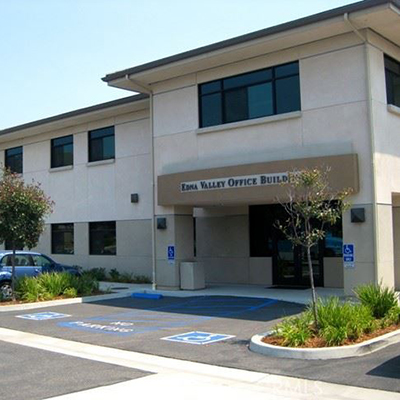
San Luis Obispo, CA 93401

Contact EAG
Orange County: (949) 277-0303
San Luis Obispo: (805) 782-9900