




California Wage & Hour Laws: What Every Employer Must Know in 2026


Running a business in California keeps employers on their toes. Rules shift fast, enforcement stays tough, and mistakes cost real money. As 2026 unfolds, wage and hour compliance deserves extra focus from leadership teams. California wage rules now touch payroll systems, scheduling habits, and day-to-day management calls. Employers who plan ahead protect margins, limit disputes, and keep teams steady.
Employer Advocates Group works with California employers every day. This guide speaks with straight talk and practical insight to help you stay ready.
Why 2026 Raises the Stakes for Employers?
California continues to tighten labor standards. Lawmakers aim to boost worker pay accuracy and close gaps in enforcement. For employers, the risk profile changes. Claims move faster. Penalties hit harder. Agencies expect clean records and prompt fixes.
Wage and hour audits now review more than base pay. They examine schedules, classifications, and time tracking. Employers who treat compliance as a system, not a task, gain ground.
Core Wage and Hour Duties Employers Must Manage
Every employer already knows the basics, yet claims still pile up. In 2026, regulators look for consistency across teams and locations.
One area deserves special care:
*Pay practices must match written policies, posted notices, and actual payroll output
This single gap drives many disputes. Align documents with practice before problems surface.
Employee Classification Gets Fresh Attention
Misclassification remains a top trigger for claims. Agencies focus on exempt status, independent contractor tests, and blended roles. Job titles offer no shield. Actual duties control outcomes.
From an Employer wage view, classification reviews save money long term. A quick audit costs far less than defending a class action.
Overtime, Meals, and Rest Periods Stay Front and Center
Overtime rules remain strict. Missed breaks create premium pay exposure, even when pay rates stay correct. Scheduling tools help, yet managers still make calls on the floor.
Train supervisors to flag issues early. One missed meal period can ripple across a pay period.
Pay Transparency and Recordkeeping Standards
Pay stubs and records face deeper review in 2026. Employers must show clear hours, rates, and deductions. Digital systems help, but only when data stays accurate.
Here is a simple view of how expectations continue to rise:
| Compliance Area | Prior Focus | 2026 Employer Expectation |
| Timekeeping | Basic accuracy | Real-time tracking and audits |
| Pay Statements | Core details | Clear itemization and access |
| Wage Notices | Initial hire | Updates with pay changes |
| Retention | Minimum years | Easy retrieval during claims |
Strong records support defense efforts when disputes arise.
Penalties and Enforcement Trends Employers Should Expect
State agencies push faster enforcement. Private actions move with speed as well. Penalty structures reward early fixes yet punish delay.
From the California wage standpoint, proactive compliance reduces exposure. Employers who self-correct often fare better than those who wait.
How Employer Advocates Group Supports Compliance?
Employer Advocates Group partners with employers across California to manage risk before claims hit. The firm defends employers in wage disputes and advises on daily compliance steps. Clients gain clear guidance, practical tools, and a steady hand during audits or litigation.
An informed employer stays confident. A prepared employer stays protected.
Stay Ahead With Trusted Legal Guidance
Wage and hour rules will keep shifting. Employers who wait often pay more later. Partner with Employer Advocates Group to review policies, train teams, and defend your business with confidence. Reach out today and take control of your compliance strategy before issues knock on the door.
Frequently Asked Questions
- Do small employers face the same wage rules in 2026?
Yes. Size rarely changes core wage and hour duties. Enforcement applies across the board.
- How often should employers review wage practices?
Annual reviews help, yet changes in roles or pay call for immediate checks.
- Does automation reduce wage claims?
Automation helps accuracy but still needs human review and training.
- What triggers most wage lawsuits?
Break violations, misclassification, and record gaps lead the list.
- How does legal counsel help before a claim starts?
Counsel spots risks early and guides fixes before penalties grow.
Our Offices
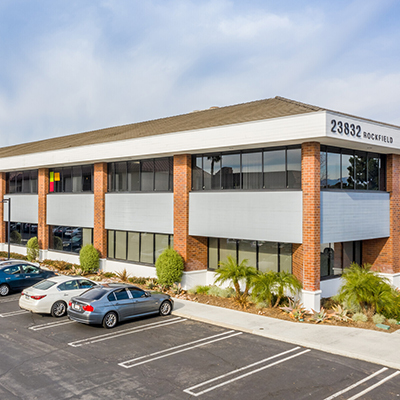
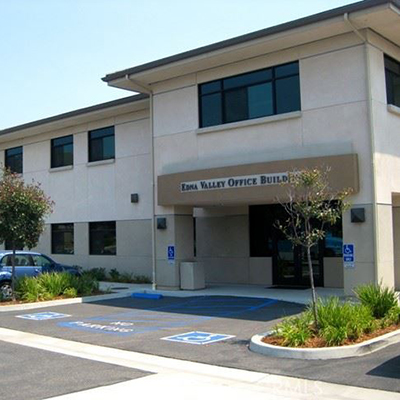
San Luis Obispo, CA 93401

Contact EAG
Orange County: (949) 277-0303
San Luis Obispo: (805) 782-9900