






At-Will Employment in California: What Employers Still Get Wrong in 2026



A lot of employers think they have full freedom to hire and fire. Sounds simple, right? In California, it is not so easy. Laws keep changing, and courts read facts in a strict way. One wrong move can lead to a claim, a fine, or worse. California at-will employment law gives room to act, but it also sets limits. Miss those limits, and things can go south fast.
Employer Advocates Group works with business owners who want clear rules and fewer risks. This guide breaks down where things go wrong and how to stay on the safe side.
What At-Will Employment Really Means
At-will means an employer can end a job at any time, for any legal reason, or for no reason. An employee can also leave at any time. Sounds fair. Still, there are key limits tied to employee rights at-will in California.
Courts block terminations tied to bias, revenge, or broken promises. If a manager fires someone after a complaint, or due to race, gender, age, or health, trouble can follow. Verbal promises can also create implied contracts, even with no written deal.
So yes, at-will gives power. Yet, it does not give a free pass.
Common Myths That Trip Employers
Myths about at-will employment in California
- “No reason needed means no risk.”
Wrong. No reason stated does not mean no reason exists. Courts may look at timing, emails, and witness notes. If signs point to bias or payback, a claim can rise. - “Employee handbooks have no legal weight.”
Handbooks matter. Clear or vague wording can shape how courts read intent. A policy can form an implied promise if it sounds like a guarantee. - “Probation periods remove risk.”
A 90-day period does not erase legal rights. New hires still have full protection under the law from day one. - “Managers can say what they want.”
Casual talk can become evidence. A quick remark about job safety or long-term plans can be seen as a promise.
These Myths about at-will employment in California keep showing up in claims. Smart employers cut them out early.
Where Employers Still Slip in 2026
Poor documentation
No clear records lead to a weak defense. Write down performance issues, warnings, and reviews. Keep facts clean and dated.
Inconsistent action
Treating one worker harshly and another lightly for the same act can look like bias. Set rules and stick to them.
Ignoring complaint trails
If an employee reports harassment or wage issues and then faces a quick exit, it raises a red flag. Keep a gap and show clear, fair reasons.
Loose manager training
Managers act as the face of the company. If they lack training, they can say or do things that create risk.
Old policies
Laws shift fast in California. Outdated handbooks and contracts can clash with current rules.
These are classic Employer Mistakes to Avoid in California. Fixing them early saves time, money, and stress.
Practical Steps to Stay Compliant
Strong process beats guesswork. Here is what works in real life.
Build a Clear System
- Draft simple, direct policies. Avoid vague promises.
- Train managers on lawful hiring, discipline, and exit steps.
- Keep written records for all key actions.
- Use neutral, job-based reasons for decisions.
- Review policies each year to match new laws.
Employer Advocates Group helps design systems that fit your team size and industry. A clean setup cuts risk and builds trust.
How Courts View Employer Decisions
Judges and agencies look at patterns. One act may seem small. A chain of acts can tell a story. Emails, texts, and meeting notes all count. If a file shows fair steps, clear reasons, and equal treatment, your case stands stronger.
Also, keep in mind that employee rights at-will in California include protection from wrongful termination, retaliation, and discrimination. Any action that clashes with these rights can trigger a claim.
Why Proactive Guidance Matters
Law is not static. New rulings and state rules reshape how California’s at-will employment law works in practice. Waiting for a problem to show up costs more than fixing gaps early.
Employer Advocates Group gives employers a steady plan. From policy drafts to manager coaching, the focus stays on risk control and clear action. No fluff, just real steps that work.
Final Thoughts
At-will employment still holds value in California. Yet, it comes with real limits. Misunderstanding those limits leads to avoidable claims. By fixing common gaps and updating your process, you keep control and stay compliant.
Ready to tighten your policies and reduce risk? Connect with Employer Advocates Group for a tailored review of your current setup and a plan built for 2026 and beyond.
FAQs
1. Can an employer fire an employee without giving a reason in California?
Yes, at-will allows termination without a stated reason. Still, the reason must be lawful. If facts show bias, retaliation, or a broken promise, a claim may arise. Clear records and fair steps help protect the employer.
2. Do employee handbooks create legal obligations?
Yes, they can. If a handbook uses firm language about job security or discipline steps, courts may read it as a promise. Employers should keep wording clear, flexible, and aligned with current law to avoid implied contracts.
3. Are new hires protected under at-will rules?
Yes, from day one. A probation period does not remove legal rights. New employees still have protection against discrimination, retaliation, and wrongful termination. Employers must apply the same lawful standards from the start.
4. What is the biggest risk with poor documentation?
Weak or missing records make it hard to prove fair action. In a dispute, courts rely on written proof. Without it, claims gain strength. Consistent, dated notes about performance and conduct help defend decisions.
5. How can employers reduce risk under California at-will employment law?
Use clear policies, train managers, and keep records. Apply rules in the same way for all staff. Review updates in state law each year. Working with experts like Employer Advocates Group can help build a solid, compliant system.
Our Offices
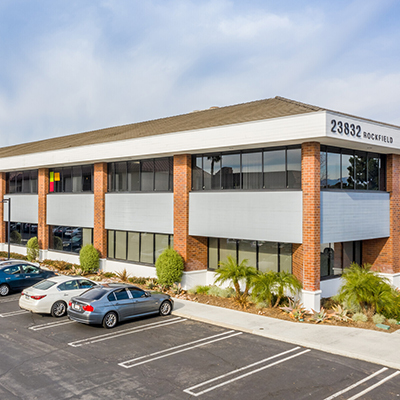
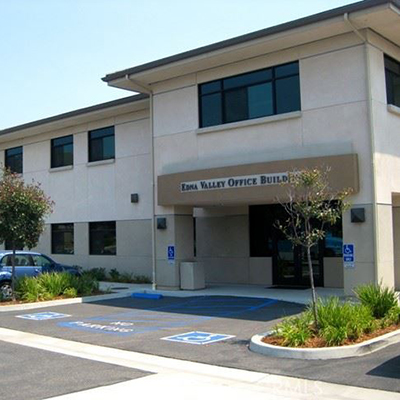
San Luis Obispo, CA 93401

Contact EAG
Orange County: (949) 277-0303
San Luis Obispo: (805) 782-9900