


The Impact of AI & Automation on Employment Law Risks


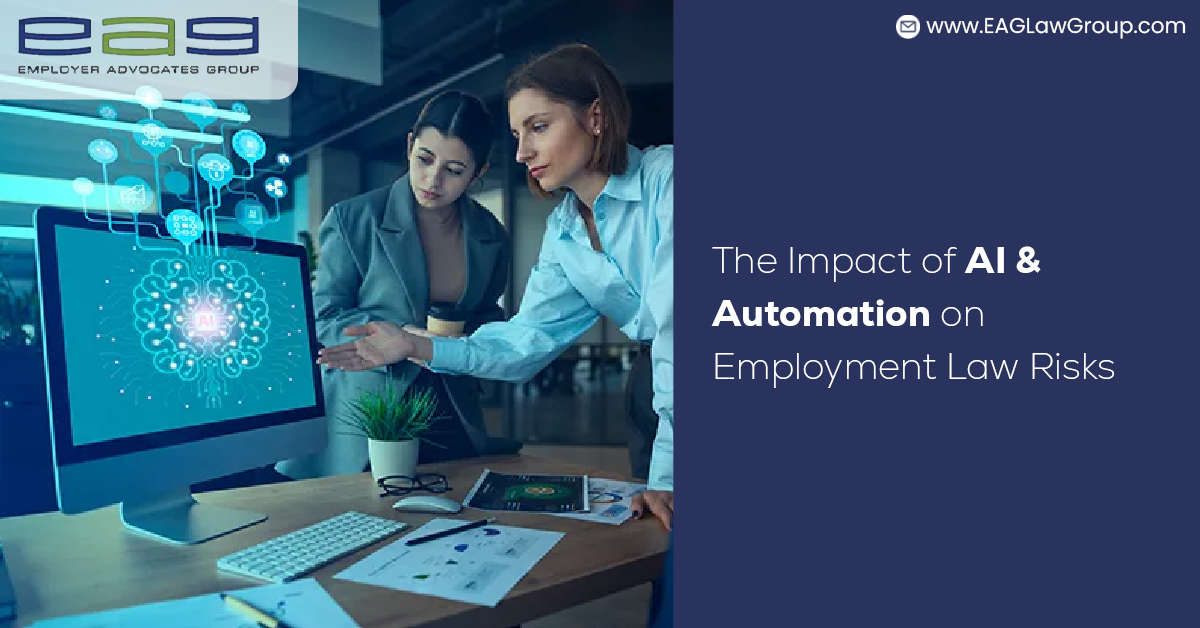
Artificial intelligence is changing how we work. It helps businesses hire faster, manage tasks, and track results. But there’s a catch. These tools can also bring new Employment Law Risks that many employers don’t see coming.
At Employer Advocates Group, we’ve watched companies dive into automation without realizing the legal issues it can create. When machines make decisions about people, things can get tricky fast.
AI is Taking Over Everyday Tasks
AI now plays a part in almost every stage of employment. It can read resumes, measure productivity, and even recommend promotions. It saves time and money. But it doesn’t always get things right.
Sometimes, an AI system may favor one type of applicant over another. That bias might not be intentional, but it can still break discrimination laws. Employers need to test these systems often. Fairness and transparency matter.
That’s where AI Employment becomes a legal concern. You must ensure your tools respect equal opportunity laws. Humans still need to check what machines do.
Hidden Legal Traps in Automation
Automation sounds great until something goes wrong. Here are some common problems we see:
- Bias in hiring: Algorithms can favor one group and reject another.
- Privacy issues: Tracking software might collect personal data without permission.
- Wage disputes: Automatic time tracking can miscalculate hours worked.
- Unfair termination: Systems that recommend firings might get the facts wrong.
One small mistake in an AI tool can turn into a lawsuit. Employers need to understand how their technology works before using it on staff.
Why Human Oversight Still Matters?
AI can analyze data, but it can’t feel empathy. It doesn’t understand people. That’s why human review is critical.
If software flags an employee for low performance, a manager should double-check before acting. Machines can miss context. A human review adds fairness and balance.
At Employer Advocates Group, we guide companies on how to mix automation with human judgment. This balance keeps efficiency high and Employment Law Risks low.
Update Policies Before It’s Too Late
Old company policies won’t protect you in a world run by algorithms. Employers need to update them now.
Here’s what to include:
- Clear rules on how AI is used in hiring and firing
- Policies on data collection and employee privacy
- Training for HR teams on AI Employment compliance
- Regular audits of automated systems
When employees know the rules, they trust the process more. Updating your policies also shows regulators you take compliance seriously.
Stay Ahead of New Rules
Laws about AI are still developing. That doesn’t mean employers can wait. Take steps now to protect your business.
- Run internal risk checks
- Keep records of AI-based decisions
- Work with experienced employment attorneys
- Stay updated on local and federal changes
Taking early action helps avoid surprises later.
The Bottom Line
AI and automation can boost productivity, but they also bring legal risks. Employers must manage these tools carefully. The right policies, audits, and human oversight make all the difference.
Employer Advocates Group helps companies stay compliant and confident. If your workplace is introducing new technology, let us review your practices.
FAQs
1. What legal issues can AI cause in hiring?
AI can unintentionally favor some candidates over others. Regular testing helps prevent discrimination.
2. Can AI tools invade employee privacy?
Yes. Some programs collect sensitive data without proper consent. Employers should update privacy policies.
3. How can I reduce AI-related legal risks?
Audit your systems, stay transparent, and include a human review step. It keeps Employment Law Risks low.
4. Are there laws that focus on AI Employment?
Not yet at the federal level. But discrimination, privacy, and wage laws still apply to AI-driven systems.
5. Do small businesses need to worry about AI compliance?
Yes. Even simple automation tools must follow employment laws. Ignoring compliance can cause major issues later.
Contact Employer Advocates Group today to protect your business and build a fair, future-ready workplace.
Our Offices
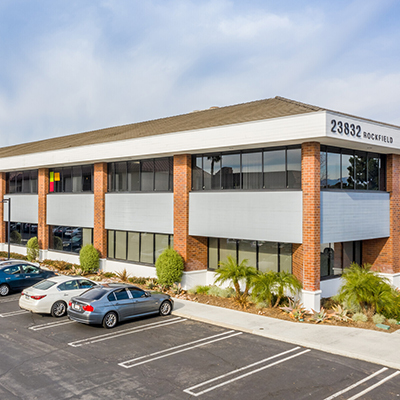
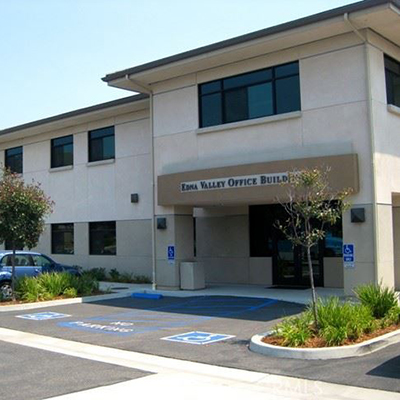
San Luis Obispo, CA 93401

Contact EAG
Orange County: (949) 277-0303
San Luis Obispo: (805) 782-9900