

Strong Advocates for
California Employers
California Employers






At Employer Advocates Group law firm, we understand the unique needs of companies facing a spectrum of employment issues when doing business in California.
Our experienced lawyers advise and represent clients on a variety of workplace matters, including wage and hour disputes, discrimination concerns, workplace policies, and regulatory compliance for employers only.
By drawing on years of practical experience and in-depth knowledge, our team strives to offer legal solutions tailored to your specific objectives. We appreciate the challenges involved in properly handling sensitive personnel matters, ensuring you remain in compliance with federal and state regulations while balancing workforce productivity and morale. Whether you are a small startup or a well-established corporation, our goal is to protect your interests and help you navigate the complexities of California employment law. If you have questions about how to address employment-related disputes or develop preventative strategies, call us at (949) 277-0303 to learn more about our approach.

In California, most employment relationships are structured on an at-will basis, meaning either the employer or the employee may end the relationship at any time without advance notice or cause.
However, the practical realities of at-will employment can be more nuanced, particularly when promises, policies, or contractual provisions alter or limit the unilateral ability to terminate. Many businesses establish written employment contracts to clarify roles, compensation, and policies, in addition to addressing confidentiality matters. Below are key elements that California employers commonly include in employment agreements:
1. Defining Roles and Responsibilities
A clearly defined description of duties in an employment contract reduces the likelihood of misunderstandings and promotes effective working relationships. Employers can outline daily tasks, decision-making authority, management responsibilities, and performance standards. This specificity helps both the employer and employee align on objectives, particularly for managerial or technical roles. Where a role involves supervising staff, the contract might clarify levels of authority, supervisory obligations, and reporting structures.
2. Compensation, Salary, and Benefits
California’s compensation laws are more protective of employees than federal regulations, so an employment contract should explicitly describe whether compensation is hourly or salaried. Consider detailing base pay, commission structures, bonus plans, and any profit-sharing arrangements. Be sure to account for state minimum wage requirements, which can exceed federal levels, and watch for local city ordinances—such as those in San Francisco, Los Angeles, or San Diego—that set minimum wages higher than the statewide standard.
Where possible, employers often include references to health insurance, retirement plans, or other benefits, either directly in the agreement or via cross-reference to an employee handbook. Keeping benefits in a handbook can provide flexibility in making updates, but the contract should make clear that compensation and benefits will be provided in accordance with the California Labor Code, including wage and hour and overtime requirements.
3. At-Will Status and Contractual Limitations
The California Supreme Court expressly recognized in 1988 that the employment relationship, where the employee trades their labor in exchange for a bargained amount of wages, is fundmentally contractual in nature. Thus, the termination of that relationship does not by itself create liability in tort. (Foley v. Interactive Data Corp. (1988) 47 Cal. 3d 654.)
California Labor Code section 2922 creates a presumption under the law that any employment relationship for an indefinite perios is at-will in naature, meaning that it can be terminated at any time, without or without good cause, upon notice to the other party. Both the employer and the employee have the contractual right to terminate the employment relationship.
Although at-will status permits termination with or without cause—provided the reason is lawful—an employment contract may inadvertently create exceptions if not drafted carefully. Employers typically include a prominent at-will statement clarifying that employment can end at any time for any lawful reason. Even so, at-will status does not override statutory protections against discrimination or whistleblower retaliation. Employers should maintain consistency between the contract and policies in any employee handbook; for example, promising dismissal only for “just cause” in a company manual can weaken at-will status if not worded carefully.
4. Permissible Grounds for Termination
While there is no requirement under at-will status to list reasons for termination, many employers include a short statement emphasizing that termination cannot be based on unlawful discrimination or retaliation. Some documents list examples of gross misconduct—like theft, severe harassment, or deliberate policy breaches—as grounds for immediate termination. Doing so can help employees understand the types of behavior that would elicit swift action, yet this practice does not negate the at-will relationship.
5. Confidentiality and Trade Secrets
California generally invalidates non-compete clauses in employment contracts, except in very narrow situations involving the sale of a business or dissolution of a partnership. Under Business and Professions Code Sections 16600–16602.5, non-compete provisions are typically unenforceable. However, employers can protect legitimate business interests by including well-defined confidentiality provisions. These provisions identify what material qualifies as proprietary or trade secret information and require that it remain confidential even after employment ends. Narrowly tailored non-solicitation provisions aimed at protecting customer relationships or preventing employee raiding may be permissible, but courts scrutinize them to ensure they do not function as blanket non-compete agreements.
6. Arbitration Clauses and Dispute Resolution
Some employers prefer arbitration to resolve disputes. Under California law, arbitration agreements must provide a fair process, not disadvantage the employee unduly, and generally ensure that employees may recover the same remedies they could in court. Employers often must bear additional costs associated with arbitration to avoid rendering arbitration unenforceable. Failure to meet these procedural requirements can invalidate an arbitration clause. Clarity is essential: employees should understand the scope of the arbitration requirement, how an arbitrator will be selected, and the right to obtain legal remedies.
If you are seeking help with preparing or reviewing employment contracts, you should consult with an experienced California employers’ lawyer for guidance tailored to your needs.
A comprehensive benefits package helps attract and retain a capable workforce in California’s competitive labor market. Because state and local laws often exceed federal minimums, careful review of California and local regulatory requirements is essential.

1. Health Insurance and Local Obligations
While federal law (e.g., the Affordable Care Act) dictates many health benefit requirements, some local ordinances impose additional obligations on employers. For instance, employers in certain industries, such as hospitality, could be required to contribute to health coverage programs if operating in specific cities. Monitoring evolving local laws is critical to ensure that benefits meet or exceed regulatory baselines.
2.Retirement Plans and CalSavers
California’s CalSavers program requires many businesses that do not already sponsor a retirement plan (e.g., 401(k), pension) to either enroll eligible employees into CalSavers or establish an equivalent plan. The threshold for mandatory participation depends on employer size and other criteria, which can change over time. Employers offering their own plans must adhere to state and federal laws ensuring timely deposit of employee contributions and proper disclosure of benefits.
3.Paid Sick Leave and Local Ordinances
State law mandates that most employers provide at least 24 hours or three days of paid sick leave per year to eligible employees. However, local laws may require higher accrual rates or broader leave reasons. San Francisco, Oakland, and Los Angeles, among others, impose sick leave obligations that exceed statewide minimums. Employers should track where their employees work and ensure their policies meet the strictest applicable standard. Paid sick leave may also be used for caring for a broader array of individuals, depending on local rules.
4. Vacation and PTO Policies
California does not require paid vacation or paid time off (PTO), but if an employer offers it, accrued vacation is considered wages. This means an employee cannot forfeit accrued vacation, and “use it or lose it” policies are not permitted. Any accrued, unused vacation must be paid out upon employment separation. For employers that combine vacation and sick leave into a single PTO bank, the policy should satisfy all minimum requirements for sick leave and clarify that accrued PTO is protected from forfeiture once earned.
5. Other Leaves and Supplemental Benefits
Some employers offer additional benefits like bereavement leave or supplemental paid family leave benefits. Any voluntary benefit enhancements should be reviewed for potential unintended adverse impact on protected groups. If certain benefits are offered to one category of employees and not another, confirm that the distinction does not violate the California Fair Employment and Housing Act (FEHA). Employers may wish to formalize such benefits in a written plan or policy to avoid confusion and provide clear guidance.
6. State Disability Insurance and Paid Family Leave
The Employment Development Department (EDD) administers State Disability Insurance (SDI), which provides partial wage replacement for employees unable to work due to a non-work-related illness, injury, or pregnancy. Paid Family Leave (PFL), a component of SDI, allows employees to take time off to bond with a new child or care for a seriously ill family member, providing partial wage replacement for a set period. Employers have a duty to inform employees about these programs, typically via official postings and distribution of pamphlets explaining eligibility and benefits.
7. Flexible Work Arrangements and Expense Reimbursement
Many California employers now use remote or hybrid work arrangements. Under Labor Code Section 2802, employers must reimburse workers for necessary business expenditures, which can include reasonable portions of cell phone bills, internet costs, and other expenses directly related to job performance. A clear written reimbursement policy helps define what costs qualify and how employees should submit claims.
An knowledgeable employer attorney, such as those at Employer Advocates Group, can offer valuable guidance to ensure that your company’s employee benefits programs remain fully compliant with local and statewide employment laws.
1. Protected Categories and Prohibited Conduct
California’s list of protected categories includes, among others: race, color, religion, national origin, ancestry, disability, sex (including gender identity or expression), sexual orientation, marital status, age over 40, military status, and genetic information. Employers must ensure that their recruitment, hiring, promotion, discipline, and termination practices do not target or exclude individuals based on a protected category. Even subtle biases or inconsistently applied policies may lead to legal exposure.
2. Training Requirements and Employer’s Duty to Prevent Harassment
FEHA obligates California employers with five or more employees to train workers on harassment prevention:
• Supervisors must complete at least two hours of interactive training every two years or within six months of assuming a supervisory role.
• Non-supervisory employees require at least one hour of interactive training every two years or within six months of hire.
This training must address topics such as prohibited conduct, internal complaint procedures, the remedial steps employees can expect the employer to take, and the prohibition against retaliation.
3. Complaint Procedures and Investigations
Employers should establish written procedures for reporting discrimination or harassment and provide multiple avenues for employees to voice concerns (e.g., direct supervisor, HR, an ethics hotline). Once a complaint is lodged, a prompt and impartial investigation is required. The employer should keep detailed records of interviews, findings, and corrective measures. FEHA strictly prohibits retaliation against workers who raise or participate in complaints or investigations.
4. Reasonable Accommodations and the Interactive Process
Employees or job applicants with disabilities (whether physical or mental), medical conditions, or pregnancy-related limitations may request reasonable accommodations to help them perform the essential functions of their positions. Employers must engage in a timely, good-faith interactive process to identify appropriate accommodations, which might include modified work schedules, assistive devices, or job restructuring. If an accommodation would cause undue hardship, the employer can propose alternatives, but the process must be well-documented to demonstrate compliance.

California imposes robust wage and hour rules, often surpassing federal standards, and requires stringent adherence. Even minor oversights can generate substantial penalties.
1. Minimum Wage and Local Variations
California’s minimum wage adjusts on a schedule set by the state, typically varying depending on the size of the employer. However, larger cities—such as San Francisco, Los Angeles, or San Diego—have their own minimum wage standards that exceed the state’s rate. Employers must pay the highest applicable rate. Keeping track of these changing amounts is vital, especially for businesses with multi-location operations.
2. Overtime and Double-Time Requirements
Non-exempt employees must generally be paid overtime at one and one-half times their regular rate for hours worked beyond eight in a day or 40 in a week, and double-time for hours exceeding 12 in a day or eight on the seventh consecutive day of the workweek. Properly determining the regular rate of pay is essential, as it often includes bonuses, commissions, or piece-rate pay. Employers should periodically review job classifications to confirm whether any workers incorrectly labeled “exempt” may actually qualify for overtime under state law.
3. Meal and Rest Break Compliance
California law requires that employers provide a 30-minute meal break if an employee works more than five hours in a day, with a second meal break required if the employee works more than 10 hours. Non-exempt employees are also entitled to 10-minute rest breaks for every four hours (or major fraction thereof) worked. Failing to provide these breaks triggers an additional hour of pay for each workday with a missed break. Maintaining proper timekeeping and break schedules can ward off costly litigation, including Private Attorneys General Act (PAGA) claims.
4. Recordkeeping Obligations
Employers must retain payroll records for at least three years. These records generally should include employee identification data, hourly pay rates, daily and weekly hours worked, wages paid each pay period, and meal period logs (if applicable). While three years is the statutory minimum, retaining records for four years or more is a common practice to protect against claims that could arise later. Employers should also provide accurate wage statements each pay period, listing hourly rates, total hours worked, and all applicable deductions.
5. Exempt vs. Non-Exempt Employees
To legally treat an employee as exempt from overtime, the employee must meet both a duties-based test (executive, administrative, or professional processes, among other categories) and a salary basis test (earning at least twice the state minimum wage for full-time employment). Misclassifying employees as exempt when they do not meet these criteria can result in back wages, overtime premiums, and penalties. Regular audits can help confirm compliance.
6. The ABC Test and Independent Contractors
California’s Assembly Bill 5 amended the State’s Labor Code to codify the “ABC” test, which established a presumption that a worker is an employee unless the hiring entity can prove:
(A) The worker is free from control and direction of the hirer in connection with the performance of the work;
(B) The work is outside the usual course of the hiring entity’s business; and
(C) The worker is customarily engaged in an independently established trade, occupation, or business of the same nature as the work performed.
Although some occupations are subject to alternate classification rules or exemptions, employers must maintain thorough documentation demonstrating compliance. Incorrect classification exposes an employer to large liabilities for unpaid wages, taxes, and penalties.
7. Private Attorneys General Act (PAGA) Exposure
Under PAGA, employees act as private attorneys general to recover civil penalties for Labor Code violations. In many cases, these penalties accrue on a per-employee, per-pay-period basis. Common triggers are meal and rest break violations, misclassifications, inaccurate wage statements, or late payment of wages. Before implementing terminations or taking other personnel actions, employers often evaluate wage and hour compliance risks, as well as their potential exposure to PAGA claims. If you have questions about compliance with these regulations, consulting with an employers’ attorney in Orange County can provide valuable guidance.
California offers numerous statutory leave entitlements, sometimes overlapping at the federal level. Compliance requires careful tracking of each leave type.

1. California Family Rights Act (CFRA) and Federal FMLA
CFRA entitles eligible employees of companies with five or more employees to up to 12 weeks of job-protected, unpaid leave for qualifying reasons, including bonding with a new child, caring for a serious health condition of a family member, or addressing a qualifying military exigency. The federal Family and Medical Leave Act (FMLA) often overlaps, but CFRA can be broader in scope, particularly in its definition of “family member.” Employers must maintain group health benefits during CFRA leave and restore employees to their same or comparable positions upon return.
2. Pregnancy Disability Leave (PDL)
Pregnant employees in California may take Pregnancy Disability Leave for up to four months if they are unable to work due to a pregnancy-related medical condition. PDL applies regardless of how long an employee has worked for the employer, as long as the employer has five or more employees. This leave is separate from CFRA bonding leave, meaning new parents can potentially take PDL and then up to 12 weeks of CFRA leave if they qualify under both statutes. Supervisors should be trained to handle any pregnancy-related absences with consistency and in compliance with all leave laws.
3. Paid Family Leave (PFL)
Although PFL does not secure job protection in itself, it provides partial wage replacement for employees taking time to bond with a child, care for a seriously ill family member, or handle other covered events. This benefit is administered by the EDD under the SDI program. Employers must offer notices informing employees of PFL options. Because PFL can coincide with CFRA or FMLA, employers should clearly explain how paid benefits, health insurance continuation, and job protection operate in tandem.
4. Intermittent Leave and Notice Requirements
Under CFRA and FMLA, employees may take leave in segmented blocks of time, such as a few hours per week, if medically necessary. Employers can require certification from a healthcare provider confirming the need for intermittent leave and an estimate of the frequency and duration of absences. Advance notice (when foreseeable) helps both parties manage schedules. Employers might temporarily reassign employees to an alternative position if the employee agrees and the new role better accommodates intermittent absences.
Proper worker classification is especially significant in California due to strict enforcement and substantial penalties for violations. The default presumption is employee status unless the entity can satisfy each prong of the ABC test or an applicable statutory exemption.
1. Determining If the ABC Test Applies
The ABC test applies broadly, but there are exemptions for certain licensed professionals, direct salespersons, real estate agents, and other carve-outs. Even for exempt categories, businesses must comply with any applicable alternative standards. A thorough review of job duties and the nature of the relationship is critical. Written independent contractor agreements ought to reflect genuine independence in how the work is performed.
2. Consequences of Misclassification
Misclassification can subject employers to back wages and overtime, plus taxes, interest, and fines from state enforcement agencies. Additionally, employees can pursue civil remedies for wrongful denial of benefits, including unemployment insurance, workers’ compensation, or wage-and-hour protections. Employers relying heavily on contract labor should conduct regular audits, consulting with knowledgeable professionals when uncertain about classification. If you have questions regarding worker classification issues in your area, you may wish to discuss your situation with a knowledgeable employer attorney, such as those at Employer Advocates Group.

Scenarios involving an employee’s departure can lead to disputes over the timing of final wages and the reimbursement of expenses.
1. Timing of Final Wages
If an employer discharges an employee, the final pay must be issued immediately at the time of termination. If an employee resigns with fewer than 72 hours’ notice, the final pay is due within 72 hours of the resignation date. If the employee provides at least 72 hours’ notice, final wages are due on the employee’s last day. Accrued, unused vacation must be included in the final paycheck. Delayed payment can trigger waiting time penalties for up to 30 days of the employee’s daily wage.
2. Expense Reimbursement Basics
Under Labor Code Section 2802, employers must reimburse employees for all necessary expenses incurred for their job duties. Common reimbursements include mileage or mass transit costs for travel, work-related supplies, uniforms, and a fair allocation of personal cell phone or internet expenses if required for work. Employers often adopt written expense policies that define eligible expenses, documentation requirements, and reimbursement processes.
3. Best Practices for Compliance
• Implement a formal checklist for offboarding employees, covering the final paycheck (including unused vacation), retrieval of company equipment, and confirmation of reimbursable expenses.
• Ensure that managers are trained to handle expense reimbursement requests adequately to avoid claims that the employer failed to reimburse business-related costs.
• Keep thorough documentation of each separation, including proof of final pay timing, to minimize liability.
Beyond written contracts and policies, California mandates a series of notices and postings intended to inform employees of their rights. These obligations often evolve, and failure to comply can lead to fines or other penalties. Notice postings serve an important purpose, as they inform employees of their rights under the laws and may also be a good source for employers to learn the specific requirements of certain laws.

1. Workplace Postings
Employers of any size typically must display a variety of official posters in a conspicuous area frequented by employees (such as a break room). Common postings include:
• California Minimum Wage poster, which includes the official state minimum wage schedule.
• Industrial Welfare Commission (IWC) Wage Order relevant to the employer’s industry or occupation.
• Safety and health protection notices, such as the Cal/OSHA notice.
• Notices addressing harassment or discrimination prevention, summarizing employee rights under FEHA.
• Paid sick leave notice required by the Labor Commissioner if applicable.
When employees work off-site or remotely, employers may need to distribute electronic postings or otherwise ensure these workers have easy access to required notices.
2. Pamphlets and Written Notices
Certain events also trigger obligations to distribute pamphlets or written notices. For instance:
• Upon hire, employees may need to be given a pamphlet on workers’ compensation benefits, sexual harassment, and Paid Family Leave.
• When an employee goes on a leave that may qualify under CFRA/FMLA, the employer should provide eligibility notices and forms.
• If an employee suffers a work-related injury, employers must ensure timely distribution of workers’ compensation claim forms.
Since these requirements can change, employers should monitor updates from the Labor Commissioner and relevant state agencies.
California has a comprehensive workplace safety framework under the Division of Occupational Safety and Health, commonly known as Cal/OSHA. All businesses, regardless of size or industry, have responsibilities to maintain safe working conditions.
1. Injury and Illness Prevention Program (IIPP)
Most California employers must develop, implement, and maintain a written IIPP that identifies potential hazards, outlines methods to correct unsafe or unhealthy conditions, and describes employee training practices. This program should name the individuals responsible for safety oversight and detail how the employer will investigate incidents. Regular updates to the IIPP are crucial, particularly if the business expands operations or introduces new equipment or processes.
2. Heat Illness Prevention Plan
California workplace safety laws require that employers take steps to protect workers from heat illness in both indoor and outdoor workplaces. Depending on the nature of their business, employers may be covered under both the indoor and outdoor regulations if they have both indoor and outdoor workplaces. As part of California’s strong commitment to workplace safety, employers are mandated to establish, implement, and maintain an effective written Indoor Heat Illness Prevention Plan that includes procedures for providing drinking water, cool-down areas, preventative rest periods, close observation during acclimatization, assessment and measurement of heat, training, prompt emergency response, and feasible control measures.
3. Workplace Violence Prevention Plan
According to federal OSHA, workplace violence affects nearly 2 million American workers annually. To address that risk, California’s legislature nacted Senate Bill SB 553, which addresses workplace violence by requiring employers to implement basic protections to protect employees while at work. Starting July 1, 2024, the majority of California employers in must establish, implement, and maintain a Workplace Violence Prevention Plan that includes all of the following: prohibiting employee retaliation; accepting and responding to reports of workplace violence; employee workplace violence training and communication; emergency response; workplace violence hazard assessments; and other requirements, such as maintaining a Violent Incident Log. Workplace Violence Prevention Plans must comply with the requirements states in newly enacted Labor Code section 6401.9.
4. Industry-Specific Standards
Depending on the industry, employers must also follow special regulations covering areas like ergonomics, machine guarding, hazardous substances, or personal protective equipment. Employers in sectors with higher risk—construction, manufacturing, or healthcare—should be especially vigilant in adhering to relevant safety orders. Annual or semi-annual internal audits can help identify lapses before they lead to injuries or enforcement actions.
5. Reporting and Recordkeeping
Employers generally must record any serious occupational injuries, illnesses, or fatalities, and in many cases report serious incidents to Cal/OSHA within a specified timeframe. Failure to report promptly could result in citations and penalties. Keeping meticulous records not only helps in compliance but can also inform better safety measures and reduce the likelihood of workplace injuries.
If you have concerns about workplace safety compliance, consulting a knowledgeable employers’ attorney, such as those at Employer Advocates Group, can provide guidance tailored to your business situation.

California has adopted increasingly stringent privacy guidelines that can affect how employers collect, use, and store employees’ personal information. These regulations continue to evolve, so businesses must remain attentive to new obligations that may arise under the California Consumer Privacy Act (CCPA) and related laws.
1. Monitoring and Surveillance
While employers have some latitude to monitor employees’ activities for legitimate business reasons (e.g., productivity, security), California law requires that monitoring not violate employees’ reasonable expectation of privacy. Employers should develop policies that clarify the extent of permissible monitoring, particularly regarding technology resources such as email, internet usage, and company devices. If personal phone or personal device usage is subject to any monitoring, an employer should inform employees in advance and ensure that it does not unlawfully intrude on private communications.
2. Background Checks
Before running background checks, employers must comply with the federal Fair Credit Reporting Act (FCRA) and California’s Investigative Consumer Reporting Agencies Act (ICRAA). Written disclosure and obtaining written authorization from the applicant or employee are typically required. If adverse action is taken based on a background report, the employer must give the individual notice and an opportunity to dispute or respond to any negative information. Additionally, some local ordinances restrict the use of criminal history in hiring decisions beyond what is mandated by state law.
3. Data Protection Obligations
To the extent employers collect and store personal data (e.g., Social Security numbers, health information), they must take reasonable steps to safeguard it against unauthorized access or disclosure. In the event of a data breach, employers may face additional notification requirements. Employers handling a high volume of personal data should establish access controls, encryption protocols, and system security measures to prevent unauthorized disclosure or hacking incidents.
Although protection against retaliation is touched upon throughout various sections, California law has multiple layers of retaliation protections that businesses should understand holistically. Retaliation claims frequently arise when an employee alleges they were treated adversely for engaging in protected activities.

1. General Labor Code Protections
Numerous sections of the California Labor Code prohibit retaliation against employees who:
• Complain about unpaid wages, unpaid overtime, or other wage and hour violations.
• Report workplace safety hazards or refuse to perform work if they believe conditions are unsafe.
• Seek workers’ compensation benefits following a workplace injury.
Adverse actions against such employees, such as demotion, termination, or harassment, can lead to legal liability.
2. FEHA Retaliation
FEHA makes it unlawful for an employer to retaliate against an employee because they filed or assisted with a complaint of discrimination, harassment, or other FEHA violations. This protection covers employees who testify or otherwise participate in investigations or hearings. Even if the underlying complaint is eventually found unsubstantiated, retaliatory actions can still create liability.
3. Labor Code Whistleblower Protections
California Labor Code section 1102.5 protects whistleblowers from acts of retaliation by employers or their agents. A “whistleblower” under that statute is an employee who discloses information to a government or law enforcement agency, to a person with authority over the employee, or to another employee with authority to investigate, discover, or correct the violation or noncompliance. A “whistleblower” also includes an employee who provides information to or testifies before a government agency that is conducting an investigation, hearing, or inquiry, where the employee has reasonable cause to believe that the information discloses one of the following things: (1) a violation of a state or federal statute; (2) a violation or noncompliance with a local, state or federal rule or regulation; or (3) unsafe working conditions or work practices in the employee’s employment or place of employment.
A whistleblower can also be an employee who refuses to participate in an activity that would result in a violation of a state or federal statute, or a violation of or noncompliance with a local, state or federal rule, or regulation.
4. Practical Compliance Tips
• Develop a zero-tolerance approach to any behavior that could be perceived as punishing employees for whistleblowing or exercising other legal rights.
• Train all managers to recognize how regular disciplinary actions might intersect with employees’ protected activities so they can make informed, non-discriminatory decisions.
• Document performance issues thoroughly and keep clear records of the legitimate business reasons for decisions.
An knowledgeable employers’ attorney, such as those at Employer Advocates Group, can help businesses navigate these anti-retaliation requirements and reduce the risk of costly disputes.
Many California municipalities have enacted additional labor protections beyond minimum wage or paid sick leave. These regulations can directly influence scheduling, rest periods, or specific worker rights.
1. Fair Workweek or Predictive Scheduling Laws
Some cities have passed fair workweek or predictive scheduling ordinances that require covered employers to provide schedules in advance, offer additional pay for last-minute schedule changes, and allow employees a right to rest between shifts. Employers in the retail or hospitality sectors may be the most heavily affected, although coverage can vary by city. Failure to comply can trigger penalties or city enforcement actions.
2. Other Local Regulations
Certain jurisdictions impose unique rules for industries like fast food, healthcare, or hospitality. These may include specific safety requirements, expanded worker retention obligations after a change in ownership, or limitations on how tips are pooled or distributed. Additionally, some local authorities have requirements around lactation accommodations beyond statewide standards. Because this area changes frequently, particularly at the municipal level, employers should keep an eye on municipal websites or consult local enactments for relevant updates.

Because California employment law is dynamic, highly nuanced, and complex, employers must embrace a proactive, systematic approach to maintain compliance.
• Written Policies and Employee Handbooks
Centralizing company rules in a handbook ensures consistency. The handbook should address wage and hour policies, anti-harassment procedures, leave entitlements, privacy expectations, and reimbursements, among other matters. Employers should also reflect changes in local ordinances and new state legislation.
• Ongoing Training
Before running background checks, employers must comply with the federal Fair Credit Reporting Act (FCRA) and California’s Investigative Consumer Reporting Agencies Act (ICRAA). Written disclosure and obtaining written authorization from the applicant or employee are typically required. If adverse action is taken based on a background report, the employer must give the individual notice and an opportunity to dispute or respond to any negative information. Additionally, some local ordinances restrict the use of criminal history in hiring decisions beyond what is mandated by state law.
• Internal Compliance Audits
Periodically review classification of employees, wage statements, break schedules, and other high-risk areas. Engage in self-audits that mirror those performed by regulatory agencies to spot and correct mistakes before they escalate.
• Tracking Legal Developments:
California frequently updates laws around wages, leave rights, privacy, and safety standards. Businesses that fail to remain alert to these amendments risk penalties. Subscribe to alerts from the Labor Commissioner or other state agencies to keep current.
• Documentation and Recordkeeping:
Strong recordkeeping can help defend against litigation. Clear, consistent records of time worked, wages paid, disciplinary actions, complaints made, and steps taken in response can demonstrate the employer’s good-faith efforts to comply with the law.
By addressing these core issues—employment contracts, benefits, discrimination, wage and hour compliance, leaves of absence, worker classification, final pay obligations, notice/posting requirements, workplace safety, privacy, anti-retaliation rules, and local ordinances—businesses in California can mitigate risks. Maintaining up-to-date, comprehensive policies fosters a workplace that aligns with state laws and local regulations. Proactive measures not only lower legal exposure but can also promote a stable and productive work environment, reassuring employees that their rights are respected and protected.
Running a business in California demands combined knowledge of regulations, thoughtful planning, and a focus on risk reduction. Employer Advocates Group stands ready to help you address these needs, offering personalized legal solutions that fit your business’s core values and objectives.
Our knowledgeable and experienced employers’ attorneys can advise on employee classification, wage and hour compliance, anti-retaliation measures, and more. Whether you’re dealing with complex disputes, refining your employee handbook, or solidifying best practices for managing personnel, our team emphasizes collaborative problem-solving. We recognize that local ordinances, state laws, and federal guidelines shift frequently, so we remain current with legislative updates to better protect your interests. By connecting with us now, you can gain clarity on your legal obligations and support for handling employment issues confidently. If you’re ready to work toward streamlined processes and reduced exposure to potential liabilities, contact us at (949) 277-0303 today to discuss an optimal path forward.
DISCLAIMER: Please note that the foregoing Overview of Employment Issues for California Businesses is intended for general informational purposes only and is not intended to provide advice as to any particular situation or circumstance. Nothing in the foregoing is intended to, and does, create an attorney-client relationship between the reader and Employer Advocates Group.

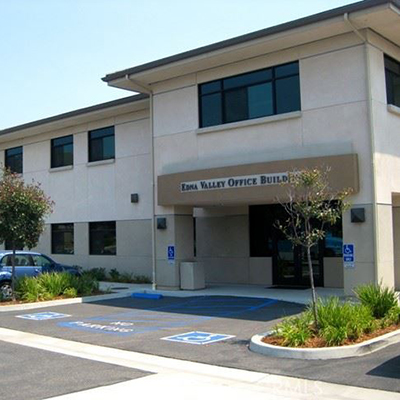
San Luis Obispo, CA 93401

Orange County: (949) 277-0303
San Luis Obispo: (805) 782-9900