

Strong Advocates for
California Employers
California Employers






April 16, 2026
At Employer Advocates Group, we understand how complex it can be for California employers to navigate the web of employee leave laws under California and federal law.
There are numerous statutes and regulations governing leaves of absence, including medical, family, disability, victims of domestic violence, and other leaves, each with specific rules and deadlines that can complicate legal compliance. Our team of lawyers is dedicated to helping employers remain compliant while addressing their businesses’ legitimate staffing needs.
EAG provides guidance tailored to each client’s unique circumstances, ensuring their policies and procedures align with applicable federal and California requirements. Whether you are seeking clarity on leave eligibility, managing return-to-work transitions, or reasonable accommodation of limitations, or addressing potential disputes, EAG offers proactive support designed to minimize risk. From drafting clear internal policies to handling complex regulatory mandates, we strive to reduce uncertainty and foster productive, law-abiding work environments in a responsive manner. To learn more about our services, call us today at (949) 277-0303 or (805) 782-9900. Let us assist you with these obligations.
There are two separate primary statutes that cover employee leaves of absence for personal medical leaves and/or leaves required to care for a family member. The first of these is the federal Family and Medical Leave Act (FMLA). (29 U.S.C. §§ 2601, et seq.)
The FMLA provides eligible employees with up to 12 weeks of unpaid, job-protected leave in a 12-month period for certain family or medical reasons. These reasons include the birth of a child, the placement of a child for adoption or foster care, the need to care for a spouse, child, or parent with a serious health condition, or the employee’s own serious health condition that prevents them from performing essential job duties. In addition, employees may receive up to 26 weeks of leave to care for a covered service member with a serious injury or illness. During FMLA leave, employers must continue the same group health insurance coverage under the same conditions as if the employee were still working.
An employer is covered by FMLA if it has at least 50 employees within a 75-mile radius, though public agencies and most public or private elementary and secondary schools also fall under FMLA regardless of the number of employees. An employee is eligible if they have worked for a covered employer for at least 12 months (which need not be consecutive), have performed at least 1,250 hours of work during the 12 months preceding the leave, and are employed at a location with at least 50 employees within a 75-mile radius.
The FMLA defines a “serious health condition” as any condition, illness, or injury requiring inpatient care (an overnight stay in a hospital, hospice, or residential medical-care facility), as well as any condition that involves continuing treatment by a healthcare provider. This can include chronic conditions that require periodic visits, conditions that may cause episodic periods of incapacity (such as migraines, asthma, epilepsy, or other recurring conditions), and conditions that, if left untreated, could likely result in incapacity. Mental health conditions can also qualify as serious health conditions if they involve inpatient treatment or continuing treatment under the supervision of a healthcare provider. Cosmetic procedures typically do not qualify, unless complications or additional medical issues arise that require ongoing treatment or result in incapacity.
As discussed below, the definition of a “serious health condition” is different and more lenient under California law. The rule when confronting two different standards is that the employer must follow the state or federal rule that provides the employee with the greatest degree of benefit or protection.
Employees may take intermittent FMLA leave or reduced-schedule leave for serious health conditions when medically necessary. For instance, a person suffering from migraines might need periodic time off for treatment or recovery, or an employee with a chronic back condition may require physical therapy sessions at recurring intervals. Employers can require certification from a healthcare provider specifying the medical need for intermittent or reduced-schedule leave, the expected frequency or duration, and any other relevant details. Employees should give notice of foreseeable intermittent leave as far in advance as practicable.
Employers may choose one of several methods to calculate the 12-month FMLA period. Common methods include:
Whichever method is chosen must be applied consistently to all employees in order to avoid potential discrimination claims. If an employer decides to change its 12-month measurement method, written notice must be given to employees, and the transition should not reduce any employee’s leave entitlement.
In limited circumstances, an employer may deny reinstatement (not the leave itself) to certain “key employees.” A key employee is defined under FMLA as a salaried employee who is among the highest paid 10% of the employer’s workforce within 75 miles of the employee’s worksite. To deny reinstatement, the employer must show that reinstating the key employee would lead to “substantial and grievous economic injury” to the employer’s operations. Employers should provide written notice to the employee as soon as they determine the exception may apply. This notice must explain the basis for finding substantial and grievous injury, the potential consequence of job restoration being denied, and the employee’s right to proceed with leave despite this potential denial of reinstatement. If the employee chooses to continue with leave, the employer may require further documentation outlining how significant the economic harm would be, but employers must be prepared to justify their determination if challenged.
Employees are expected to provide at least 30 days’ notice of the need for leave if it is foreseeable (such as for scheduled surgery). If the need for leave arises unexpectedly, employees should notify their employer as soon as practicable. Employers must promptly provide employees with written information about their FMLA rights, generally through a poster and specific notices when an employee requests leave. If an employer fails to provide timely notices, it may not be able to deny or delay FMLA leave. At the conclusion of FMLA leave, an eligible employee who is not a key employee typically has the right to be reinstated to the same or an equivalent position with no loss in pay, benefits, or other terms and conditions of employment.
If you have questions about eligibility or your rights under the FMLA, discussing your situation with a lawyer at EAG can provide helpful guidance.
The California Family Rights Act (CFRA) covers many of the same grounds as FMLA but provides broader coverage in some respects and has a lower employer-size threshold. CFRA grants eligible employees up to 12 weeks of unpaid, job-protected leave within a 12-month period for the birth, adoption, or foster placement of a child; to care for certain family members who have a serious health condition; or for the employee’s own serious health condition.
CFRA generally applies to employers with at least five employees. Unlike FMLA, CFRA defines “family members” more broadly to include not only spouses, children, and parents but also siblings, grandparents, grandchildren, domestic partners, and parents-in-law. An employee is eligible for CFRA leave if they have at least 12 months of service with the employer (which can be cumulative, rather than consecutive) and have worked at least 1,250 hours in the 12 months preceding the leave.
While FMLA might treat certain pregnancy-related conditions as a serious health condition, CFRA does not cover pregnancy itself in the same manner. Instead, California’s Pregnancy Disability Leave (PDL) law provides up to four months of leave for an employee disabled by pregnancy, childbirth, or a related medical condition. For employees eligible for FMLA, PDL can run concurrently with FMLA’s coverage for pregnancy or childbirth-related conditions. However, PDL does not run concurrently with CFRA for the pregnancy-disability portion. After an employee’s PDL ends, they may then take CFRA leave for baby bonding, resulting in a combined set of leave entitlements that can exceed 12 weeks. This arrangement reflects California’s policy preference to protect expectant and new parents who experience disability during pregnancy and also wish to bond with their child after birth.
Under PDL, a pregnancy disability is defined as a physical or mental condition related to pregnancy or childbirth that makes an employee unable to perform essential job functions or that necessitates restricted work duties. A health care provider’s certification is commonly required, describing the nature of the disability and how long it is expected to last. Employers with five or more employees are subject to PDL, and they must maintain group health insurance for employees on PDL under the same terms as if they were working. Upon returning from PDL, the employee is generally entitled to reinstatement to the same job, unless the position no longer exists for legitimate business reasons unrelated to the leave. If you have questions about your rights or compliance under these laws, a 93401 attorney can provide guidance.
California’s New Parent Leave Act expands job-protected bonding leave to employees of smaller employers with between 20 and 49 employees, who would not otherwise be covered under CFRA for bonding. For employees who have worked at least 12 months for a covered employer and have logged at least 1,250 hours in the 12 months preceding the leave, this act grants up to 12 weeks of job-protected leave to bond with a new child within one year of a child’s birth, adoption, or foster placement. Employers must maintain health benefits for the employee during this period under the same terms, and employees must be reinstated to the same or a comparable position at the end of the leave.
California has multiple programs that supplement or overlap with FMLA, CFRA, and PDL. These programs may offer income replacement or protect certain absences. However, some programs (like Paid Family Leave) do not provide job protection by themselves; they must be used in conjunction with job-protected leave if the employee qualifies.
Funded through employee payroll deductions, PFL provides partial wage replacement (a percentage of weekly wages) for up to eight weeks. It covers time off to care for a seriously ill family member or to bond with a new child. Because PFL does not confer job-protected leave, employees must look to FMLA, CFRA, or the New Parent Leave Act (if eligible) for job protection. Many employees utilize PFL concurrently with one of these job-protected leaves.
SDI pays partial wage replacement benefits to employees unable to work due to non-work-related illnesses, injuries, or pregnancy-related disabilities. Like PFL, SDI is funded through employee payroll deductions. An SDI claim usually requires a one-week unpaid waiting period, after which benefits can be paid for a set duration. Employees often combine SDI with FMLA or PDL for the job-protected portion and use SDI to cover wage replacement during that leave.
Under California law, employers must generally provide paid sick leave that accrues at a rate of at least one hour for every 30 hours worked (or through an alternative accrual or front-loading system that meets minimum requirements). Employees can use paid sick leave for their own preventive care, diagnosis, or treatment, or for the care of a family member. California’s “kin care” law expands this by entitling employees to use at least half of their accrued sick leave to care for a family member. If an employee’s condition meets the FMLA or CFRA definition of a serious health condition, paid sick leave can overlap with those leave entitlements.
When an employee suffers a work-related injury or illness, they may be entitled to workers’ compensation benefits, which may include medical treatment and partial wage replacement. If the injury also qualifies as a serious health condition under FMLA or CFRA, the employee may also be entitled to job-protected leave concurrent with their workers’ compensation benefits. Coordination among these laws is crucial so that employees receive all benefits and protections they are entitled to, and employers remain compliant with all applicable regulations. If you have questions about leave laws or your rights under these programs, an attorney in 93401 can provide personalized guidance.
California extends leave protections in a variety of individualized circumstances, reflecting diverse family, civic, and personal obligations. While some obligations require unpaid leave, employees may be able or required to use accrued paid time off under certain conditions.
California law provides up to five days of bereavement leave following the death of a qualifying family member, for employees of certain covered employers. This leave typically must be completed within a designated timeframe (for example, within three months of the family member’s passing). Employers can request documentation (such as a death certificate), but they must keep personal information confidential.
Employees who are victims of domestic violence, sexual assault, or stalking may take time off to seek medical attention, obtain services from a shelter or crisis center, pursue counseling, or participate in safety planning. Employers with 25 or more employees must also allow leave for judicial proceedings arising from these issues. Employees may not be retaliated against or discriminated against for taking or requesting this leave.
For parents, guardians, or grandparents with custody of a child in kindergarten through grade 12 (or a licensed childcare facility), California law provides leave for school- or childcare-related activities, such as attending parent-teacher conferences or school events affecting the child’s enrollment. This law applies to employers with 25 or more employees at the same location. Under certain conditions, employees may use accrued paid time off for these activities; otherwise, the leave may be unpaid. There are yearly limits on how much time off may be taken under this provision.
Employers are prohibited from discharging or otherwise discriminating against employees for taking time off to serve on a jury or to act as a witness in court. While state law does not generally require an employer to pay for time off for jury duty, some employers voluntarily provide paid leave in their policies. An employee must provide reasonable notice of the need for jury or witness leave.
Employees in California who do not have sufficient non-work time to vote in a statewide election may take off up to two hours of paid time to vote. They must generally give at least two working days’ notice of their intention to take time off for voting. This aligns with the state’s commitment to preserving citizens’ ability to participate in elections without jeopardizing employment.
Under California law, volunteer firefighters, reserve peace officers, or emergency rescue personnel are permitted to take leave for emergency duty or related training. Employers may not terminate or discriminate against employees who perform these duties. Proof of the emergency or need for training can be requested by the employer.
California offers paid leave for organ and bone marrow donation. Employees may take up to 30 days of paid leave in one year for organ donation and up to five days for bone marrow donation. This leave encompasses maintenance of health benefits and ensures that the employee, upon returning, is reinstated to the same or a comparable position. If more time off is required after the initial paid leave, employees may be entitled to additional unpaid leave, subject to employer notice requirements.
If an employee’s spouse is on leave from military deployment, the employee may take up to 10 days of unpaid time off, provided the employer has 25 or more employees, and the employee works at least 20 hours per week. Documentation verifying that the military member is on leave may be required.
Employer Advocates Group can provide California employers and employees with guidance on these additional protective leave rights in California.
Leave laws frequently overlap with disability and anti-discrimination statutes at both the federal and state levels. The Americans with Disabilities Act (ADA) and California’s Fair Employment and Housing Act (FEHA) prohibit discrimination on the basis of disability and require reasonable accommodations. In some cases, granting additional leave after FMLA or CFRA leave is exhausted might be a reasonable accommodation if it does not pose an undue hardship on the employer.
When an employee indicates that medical restrictions persist after they have used FMLA or CFRA leave, an employer in California generally must engage in the interactive process mandated by FEHA. This process involves a timely, good-faith discussion between both parties to explore possible accommodations, such as extended leave beyond the statutory allotment, modified work duties, or restructuring of certain tasks. Employers should carefully document all efforts to identify and provide a reasonable accommodation, and employees should actively communicate their needs and relevant medical information, while preserving any necessary confidentiality.
If the employer can demonstrate that the requested leave or accommodation would result in an undue hardship—significant difficulty, expense, or operational challenge—another accommodation may be offered, or the employer may lawfully refuse certain accommodations. Employers that fail to engage in a collaborative, good-faith interactive process face potential liability for disability discrimination or failure to accommodate under FEHA.
Employees must inform their employer of the need for leave as soon as they know of it. For foreseeable leaves (e.g., scheduled surgeries, prenatal care, or certain planned treatments), the standard is 30 days’ advance notice. If 30 days’ notice is not possible—for instance, due to emergencies or sudden changes in a serious health condition—employees must notify their employer as soon as practicable. Employers are then responsible for informing employees, in writing, about their rights and responsibilities, as well as any medical certifications or documentation needed to verify the reason for leave.
For leaves involving serious health conditions, employers may ask for a certification from a healthcare provider. This certification typically includes information such as the date the condition started, the likely duration of the condition, and a brief statement of the medical facts. If the leave is requested on an intermittent or reduced-schedule basis, the certification should address the medical necessity of such arrangements and the expected duration or frequency. Employers must keep medical information confidential and maintain it in a file separate from the employee’s personnel records.
Employees may bring legal actions if their rights under federal or California leave laws are violated. Common forms of unlawful conduct include denying valid requests for protected leave, failing to reinstate an employee to the same or an equivalent position after a qualifying leave, or retaliating against an individual for taking or requesting leave. Retaliation may manifest as demotions, pay cuts, negative performance reviews that are unwarranted, denial of promotions or training, or outright termination. If an employee experiences such treatment and the work environment becomes untenable, they may assert that they were constructively discharged.
Employees who prevail in legal claims can potentially recover lost wages and benefits, damages for emotional distress, and other forms of compensation. In certain cases, the employer may also pay the employee’s legal fees or related costs. To preserve their rights, employees should be aware of statute of limitations periods, which can vary by claim type. For example, an FMLA interference or retaliation claim might need to be filed within two years from the date of the alleged violation, or three years in the case of a willful violation. Claims under CFRA may have similar or differing limitations periods. Some retaliation claims related to leave laws, depending on the statutory basis, could be subject to deadlines typically ranging from six months to three years. Employees and employers should be mindful of these timelines, as missing a key filing deadline can bar the claim.
Employers can reduce liability by ensuring their policies and employee handbooks accurately describe leave rights. They should apply consistent procedures for calculating the 12-month period for FMLA and CFRA, provide clear documentation explaining how to request leave, and offer training to human resources staff and managers who handle leave requests. When a leave request is made, compliance with prompt notification requirements is key—employees should receive all relevant notices, and employers should respond consistently to similar requests.
By administering leave policies fairly, employers can create a culture of respect and compliance. Employees, in turn, should maintain open communication with their employers, providing medical forms or updates promptly and following company procedures regarding leave requests. This collaborative effort helps ensure that legitimate needs for leave are met while maintaining operational efficiency. If you need assistance navigating these laws or resolving a dispute, a lawyer in 93401 can provide valuable guidance.
Employees can sometimes qualify for multiple leave entitlements simultaneously. For example, a pregnant employee could use PDL for the period she is disabled by pregnancy or childbirth, concurrently use FMLA if she meets eligibility, then shift to CFRA for baby bonding after the pregnancy disability ends. During parts of that sequence, SDI or PFL may provide wage replacement benefits. An employee caring for a sick family member might use CFRA or FMLA for job protection while also drawing PFL for wage replacement if they meet eligibility requirements. If a work-related injury triggers a serious health condition, workers’ compensation benefits may run alongside FMLA or CFRA leave. Effective coordination of these programs can reduce confusion and ensure employees receive the full extent of their rights.
Employers must also be careful not to discourage or interfere with employees who inquire about or request leave. Missteps such as delaying responses, giving incorrect information, or penalizing employees for asking questions regarding their options can lead to claims. Proper training and communication are vital to ensuring both employers and employees meet all legal obligations.
Once workers exhaust their FMLA or CFRA leave entitlements, they may still be entitled to additional unpaid time off as a reasonable accommodation under FEHA or the ADA if they have a qualifying disability. Whether additional leave time is reasonable will depend on the circumstances of the employee’s condition and the hardship such additional leave could impose on the employer. Employers should not adopt a rigid termination policy after 12 weeks or any set amount of leave if there is any indication that an extended leave might be a viable accommodation. Instead, they must engage in the interactive process before deciding whether any further leave is possible or whether other accommodations might suffice (for example, light duty, part-time work, or reassignment to an available vacant position).
By integrating these overlapping rights, California law attempts to ensure that employees can balance their work responsibilities with personal or family needs without fear of losing their jobs. At the same time, employers maintain the right to protect business operations from undue hardship. Striking this balance often requires diligent recordkeeping, early communication, and a consistent approach to policy enforcement.
By understanding these critical points, both parties can navigate California’s wide spectrum of leave laws and ensure they remain in compliance. A consistent approach to leave administration, reliable communication, and attention to each law’s intricacies enable smoother workplace operations and protect employees’ lawful entitlements.
Employers with specific concerns about their obligations under these laws may wish to consult with an attorney at EAG for personalized legal guidance.
Workplace challenges involving leave laws can seem overwhelming, but pursuing guidance can help you understand your rights, preserve compliance, and maintain a cooperative environment. California employers may benefit from reaching out to a lawyer who understands these nuances, especially if questions arise about handling multiple overlapping leaves, ensuring timely reinstatement, or navigating the interactive process under California’s labor statutes. An attorney can assist with drafting clear policies, responding to requests, and representing your interests when disputes emerge. At Employer Advocates Group, we strive to support businesses and employees in addressing these matters effectively, helping them avoid potential claims or escalating conflicts. Discussing your circumstances with a legal professional can provide the insights you need to make informed decisions regarding complex regulations and overlapping programs. If you are seeking guidance on any workplace leaves issue, call us at (949) 277-0303 or (805) 782-9900.

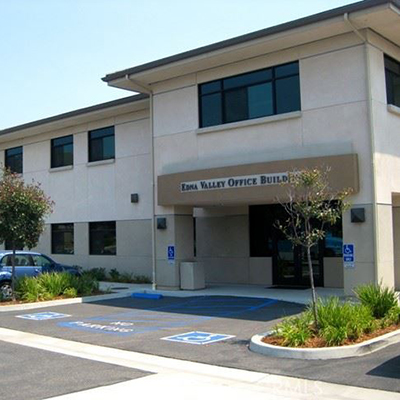
San Luis Obispo, CA 93401

Orange County: (949) 277-0303
San Luis Obispo: (805) 782-9900